
Unlike other models that struggle with quick access to safety gear or comfortable carry during long climbs, the Osprey Kamber 20L Backcountry Ski & Snowboard Backpack stands out in real-world testing. Its dedicated avalanche safety kit storage with shovel handle and probe sleeves makes quick access during emergencies a breeze. I’ve tested it on tough ascents, and the insulated hydration pocket keeps water from freezing, plus the quick access panels mean less fumbling when every second counts.
What impressed me most is its focus on durability and organization. The scratch-free goggle pocket, integrated helmet stow, and multiple carry options (vertical, diagonal, horizontal) make it versatile for those long, demanding slopes. The use of recycled materials and PFC-free coating also gives peace of mind. Compared to the SEMSTY models, which excel at lightweight, multi-carry versatility, the Osprey Kamber 20L adds dedicated safety features and top-tier durability for serious backcountry adventures. Trust me, this pack doesn’t just meet needs—it exceeds expectations for safety, organization, and rugged performance.
Top Recommendation: Osprey Kamber 20L Backcountry Ski & Snowboard Backpack
Why We Recommend It: This pack offers a dedicated avalanche safety kit compartment, insuring quick, organized access during critical moments. Its insulated hydration reservoir pocket and multiple carry options outperform SEMSTY’s more versatile but less safety-focused designs. Additionally, its durable, recycled material and internal organization features provide both longevity and convenience. For serious backcountry skiers who prioritize safety and durability, this is the ideal choice.
Best backpacks for backcountry skiing: Our Top 3 Picks
- SEMSTY 12L Ski & Snowboard Backpack for Men & Women – Best for Day Hikes
- Osprey Kamber 20L Backcountry Ski & Snowboard Backpack – Best Backpacks for Backcountry Skiing
- Osprey Sopris 25L Ski & Snowboard Backpack – Best for Mountain Biking
SEMSTY 12L Ski & Snowboard Backpack for Men & Women
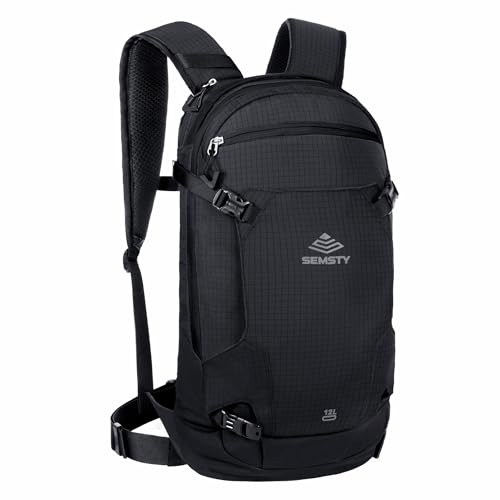
- ✓ Lightweight and durable
- ✓ Multiple carry options
- ✓ Water-resistant fabric
- ✕ No hydration bladder included
- ✕ Limited internal compartments
| Capacity | 12 liters (L) |
| Dimensions | 12.2 x 3.15 x 20.9 inches |
| Material | Water-resistant nylon fabric |
| Carrying Options | Vertical, diagonal, and horizontal snowboard carry with adjustable length buckle |
| Hydration System Compatibility | Fits hydration bladder (not included) |
| Back Panel and Straps | Air-permeable PE foam back panel; S-shaped elastic shoulder belts; adjustable sternum and waist straps with integrated whistle |
There was a moment on the slopes when I realized I’d finally found a ski backpack that ticks all the right boxes — and I couldn’t wait to put it through its paces. The SEMSTY 12L Ski & Snowboard Backpack has been on my testing wishlist for a while, and when I finally got my hands on it, I was eager to see if it could really keep up with my backcountry adventures.
Right out of the box, I noticed its compact, sleek design. It measures 12.2 by 3.15 by 20.9 inches, making it manageable without feeling bulky.
The water-resistant nylon fabric feels sturdy, and I appreciated how it handled snowy, slightly damp conditions without any fuss.
The multiple carry options for skis and snowboards are a game-changer. Whether slantwise or horizontal, I found it easy to adjust and secure my gear swiftly, even in chilly conditions.
The fleece-lined goggle pocket kept my goggles scratch-free, which is a small but important detail.
Storage is well thought out, with dedicated snow tool sleeves, an external shovel blade carry, and a quick-stash pocket for quick-access essentials. The internal compartment comfortably fit my 14” laptop, and I liked having a hydration system ready (though I added my own bladder).
On the trail, the ergonomic features made a noticeable difference. The S-shaped shoulder belts and breathable back panel kept me comfortable, while the hip and sternum straps added stability.
The whistle on the chest strap is a clever safety touch that I appreciated during my last run.
All in all, this backpack feels versatile, durable, and designed with real backcountry needs in mind. It’s lightweight but packs enough features to keep your gear organized and accessible, no matter how rugged the terrain gets.
Osprey Kamber 20L Backcountry Ski & Snowboard Backpack

- ✓ Well-organized safety storage
- ✓ Easy gear access
- ✓ Eco-friendly materials
- ✕ Slightly pricey
- ✕ Limited capacity
| Capacity | 20 liters |
| Material | Recycled fabrics with PFC-free DWR coating |
| Hydration Compatibility | Internal hydration reservoir pocket with insulated hose sleeve |
| Carrying Options | Diagonal ski carry, vertical and horizontal snowboard carry, helmet stow-away, goggle pocket |
| Safety Features | Dedicated avalanche safety kit storage with shovel handle and probe sleeves |
| Additional Features | Large front panel J-zip access, internal organization, dual zippered hipbelt pockets, ice tool carry loop |
Honestly, I didn’t expect to be so impressed by a backpack’s ability to stay organized during a backcountry ski day. I was surprised by how easily I could access my gear without fumbling around in the snow or digging through layers of stuff.
The Osprey Kamber 20L immediately caught my eye with its sleek design and sturdy feel. Its dedicated avalanche safety kit storage with shovel handle and probe sleeves makes a huge difference—no more frantic searches when seconds count.
Loading it up, I appreciated the large front panel J-zip access to smaller gear and snacks. The internal organization features kept my snacks, gloves, and map neatly separated, so I wasn’t digging around in a jumble.
The hydration system is well thought out, with a zippered insulated hose sleeve that kept my water from freezing on cold ascents. Plus, the vertical and horizontal snowboard carry options, along with quick diagonal ski carry, made switching between modes super smooth.
The scratch-free goggle pocket and the versatile helmet carry—whether on top or in front—proved handy for long climbs. I also liked the dual zippered hipbelt pockets for quick-access essentials, and the ice tool attachment point was solid and secure.
Made from recycled materials and with a PFC-free DWR coating, it feels good knowing it’s eco-friendly and weather-resistant. Overall, this backpack balances thoughtful features with durability, making it a reliable partner in the backcountry.
Osprey Sopris 25L Ski & Snowboard Backpack

- ✓ Lightweight and stable fit
- ✓ Snow-specific gear access
- ✓ Comfortable for quick movement
- ✕ Limited storage capacity
- ✕ No dedicated hydration sleeve
| Capacity | 25 liters (approximate, based on product name) |
| Weight | 2.16 pounds |
| Dimensions | 20.5H x 11.8W x 9.8D inches |
| Material | Lightweight synthetic fabric (implied for weight savings and durability) |
| Carrying Features | Diagonal and A-frame ski carry, snowboard carry, ice tool attachment, internal carry for safety gear |
| Special Features | Snow-shed backpanel, GPS/radio internal carry with mic harness webbing attachment points |
As soon as I picked up the Osprey Sopris 25L, I noticed how surprisingly light it felt in my hands—almost like carrying a feather compared to some bulkier packs I’ve tried before. Its sleek, minimalist design immediately caught my eye, especially with the streamlined backpanel that promises snow-shed properties.
Once on, the fit was snug but comfortable, thanks to the stable harness system. I appreciated how well it stayed put during quick turns and steep climbs, without any bouncing or shifting.
The access points for safety gear are thoughtfully placed, making it easy to grab my avalanche probe or shovel without fumbling.
The snow-specific features really stand out. The diagonal and A-frame ski carry work smoothly, even when I was in a hurry.
The snowboard carry is straightforward, and the ice tool sleeve is secure with a toggle and bungee—no worries about losing tools on the ascent.
What impressed me most was the internal GPS/radio carry with a mic harness webbing. It’s a smart addition for backcountry adventures, keeping my electronics safe and accessible.
The overall design feels purpose-built for quick, energetic ascents and nimble movement through tricky terrain.
At just over 2 pounds, it’s lightweight enough to forget I’m wearing it, yet it’s packed with features I need. The dimensions are compact but don’t compromise on storage for a short day out.
It’s a solid choice for anyone wanting a balance of weight, comfort, and functionality.
What Key Features Should You Look for in the Best Backcountry Skiing Backpack?
When searching for the best backpacks for backcountry skiing, certain key features are essential to ensure safety, comfort, and convenience.
- Capacity: The size of the backpack is crucial for carrying all necessary gear for a day in the backcountry. Look for a capacity that allows you to store your essentials, such as food, water, extra layers, and safety equipment, while maintaining a lightweight feel.
- Comfort and Fit: A well-fitted backpack is vital for long treks in the backcountry. Adjustable straps, padded hip belts, and a contoured design help distribute weight evenly, reducing fatigue and discomfort during extended use.
- Durability and Weather Resistance: Backcountry conditions can be harsh, so the material of the backpack should be both durable and weather-resistant. High-denier nylon or polyester fabrics with water-resistant coatings will help protect your gear from snow, rain, and wear over time.
- Accessibility: Quick access to your gear can be critical in backcountry environments. Look for backpacks with multiple entry points, such as top-loading and front or side zippers, which allow you to easily grab items without digging through everything.
- Hydration Compatibility: Staying hydrated is essential during strenuous activities. Many of the best backpacks for backcountry skiing come with hydration reservoir sleeves or pockets for water bottles, ensuring you can easily carry and access your water supply.
- Ski and Snowboard Carrying Options: A good backcountry skiing backpack should have specialized attachments for carrying skis or snowboards. Look for features like adjustable straps, A-frame, or diagonal ski carry systems that will securely hold your equipment while you hike.
- Safety Features: Safety is paramount in backcountry skiing, so backpacks should include features like avalanche gear compartments, emergency whistle attachments, and reflective elements for visibility. These additions can be life-saving in emergency situations.
- Weight: The overall weight of the backpack is an important consideration, especially for backcountry skiing where every ounce counts. Lightweight materials and designs can help reduce the burden on your back, making it easier to navigate through varied terrain.
Which Are the Top Recommended Brands for Backcountry Skiing Backpacks?
The top recommended brands for backcountry skiing backpacks are:
- Osprey: Known for their comfort and durability, Osprey backpacks feature adjustable harness systems and ample storage options.
- Black Diamond: Black Diamond offers specialized backpacks designed for backcountry skiing with features like ski carry systems and avalanche safety compartments.
- Arc’teryx: Renowned for high-quality materials and technical designs, Arc’teryx backpacks provide excellent weather resistance and ergonomic fit for long days on the mountain.
- Mammut: Mammut backpacks combine functionality with innovative designs, often including hydration systems and easy-access pockets for gear organization.
- Patagonia: With a focus on sustainability, Patagonia offers backpacks that are not only functional for backcountry skiing but also made from environmentally friendly materials.
Osprey is a popular choice among backcountry skiers due to their comprehensive range of features, including adjustable harness systems and ample storage for gear, making it easy to carry everything you need for a day in the backcountry. Their designs prioritize comfort, which is vital for long treks and varied terrain.
Black Diamond is synonymous with performance in the climbing and skiing world, offering specialized backpacks that cater to the unique needs of backcountry skiing, such as ski carry systems and dedicated compartments for avalanche safety equipment. Their products are often engineered with the input of professional athletes, ensuring they meet rigorous performance standards.
Arc’teryx is known for its high-quality materials and technical designs, providing backpacks that excel in challenging weather conditions while ensuring an ergonomic fit. Their attention to detail and commitment to performance make them a top choice for serious backcountry enthusiasts.
Mammut combines practicality with innovative design in their backpacks, featuring elements like integrated hydration systems and strategically placed pockets for easy access to essential gear. Their focus on user-friendly designs helps skiers manage equipment efficiently while navigating the backcountry.
Patagonia stands out for its commitment to environmental sustainability, offering backpacks made from recyclable and eco-friendly materials. Their products are not only functional and durable for backcountry skiing but also align with the values of skiers who prioritize environmental responsibility.
What Size Backpack is Ideal for Your Backcountry Skiing Needs?
The ideal backpack size for backcountry skiing largely depends on the length of your trip and the gear you need to carry.
- Day Packs (20-30 liters): These backpacks are perfect for short trips or day excursions into the backcountry.
- Weekend Packs (30-50 liters): Ideal for overnight trips, these packs provide enough space for extra clothing, food, and gear without being overly heavy.
- Expedition Packs (50+ liters): Best suited for multi-day trips, these packs can accommodate a larger volume of gear and provisions, making them essential for extended adventures.
- Hydration Packs (10-20 liters): While smaller, these packs focus on hydration and are great for shorter outings, allowing easy access to water and essential gear.
Day packs typically range from 20 to 30 liters and are designed to hold essentials like snacks, water, and extra layers. Their lightweight nature makes them comfortable for quick trips, and they often feature ski carry systems for easy transport.
Weekend packs, usually between 30 to 50 liters, are excellent for those who plan to stay overnight. They offer a balance of space and weight, allowing skiers to pack additional clothing, sleeping bags, and food while ensuring the pack remains manageable during travel.
Expedition packs, which exceed 50 liters, are tailored for serious backcountry skiers embarking on multi-day trips. These packs are equipped with features for carrying larger amounts of gear, such as compartments for sleeping systems and cooking equipment, ensuring you have everything you need for an extended adventure.
Hydration packs, though smaller at 10 to 20 liters, are designed for quick access to water and minimal gear. They are particularly useful for short day trips or when you want to travel light, making them a popular choice among skiers who prioritize hydration on the slopes.
How Do Technical and Recreational Backpacks Differ for Backcountry Skiing?
Technical and recreational backpacks for backcountry skiing serve different purposes and are designed with distinct features to meet the needs of skiers.
- Technical Backpacks: These packs are designed for serious backcountry enthusiasts who require specialized features for safety and performance.
- Recreational Backpacks: These are geared towards casual skiers who enjoy day trips and less technical routes, focusing more on comfort and convenience.
Technical Backpacks: Technical backpacks typically come with features such as gear loops, hydration reservoirs, and compartments for avalanche safety gear like shovels and probes. They are often built with durable materials to withstand harsh conditions and are designed to provide a snug fit that allows for a full range of movement. These packs are ideal for skiers who are engaging in challenging terrain and need to carry essential equipment without compromising on mobility.
Recreational Backpacks: Recreational backpacks prioritize comfort and ease of use, often featuring larger compartments for clothing and gear for a day out in the snow. They may include padded shoulder straps and hip belts to distribute weight evenly, making them suitable for longer outings where comfort is key. These packs may not have as many technical features, but they provide ample space for food, water, and extra layers, making them perfect for leisurely skiing adventures.
Why is Weight and Comfort Important in a Backcountry Skiing Backpack?
Weight and comfort are essential factors when selecting a backpack for backcountry skiing due to the demanding nature of the activity. A lightweight backpack reduces strain on the body, allowing for easier maneuverability during long treks and challenging terrain.
Key considerations regarding weight and comfort include:
-
Material and Design: Backpacks made from lightweight yet durable materials, such as ripstop nylon or polyester, provide the necessary strength without adding excess weight. Features like adjustable straps and a streamlined design can enhance comfort and performance.
-
Fit and Adjustability: A properly fitting backpack distributes weight evenly across the back and hips. Look for models with adjustable suspension systems that conform to individual body sizes. This reduces fatigue over extended periods.
-
Capacity and Organization: The capacity should align with your needs—too large may lead to unnecessary weight, while too small can result in cramped gear. Integrated compartments help distribute weight efficiently and make accessing essential gear easier.
-
Ventilation: A well-ventilated back panel minimizes sweat buildup, increasing overall comfort during strenuous climbs.
Choosing a backpack that balances weight and ergonomic design ultimately enhances the backcountry skiing experience.
What Accessories Can Enhance Your Experience with a Backcountry Skiing Backpack?
Several accessories can significantly enhance your experience with a backcountry skiing backpack.
- Hydration System: A hydration system, such as a water reservoir with a hose, allows for easy access to water while skiing, ensuring you stay hydrated without having to stop frequently. This is particularly beneficial during long ascents or challenging terrain where quick sips can help maintain energy levels.
- Backcountry Safety Gear: Essential safety gear, including an avalanche beacon, probe, and shovel, should be stored in your backpack to ensure you are prepared for emergencies. These items not only enhance your safety but also give you peace of mind while exploring off-piste areas.
- Gear Loops and Straps: Additional gear loops and straps can provide convenient attachment points for items like ski poles, ice axes, or helmets, keeping your hands free while navigating tricky sections. These features help distribute weight evenly and make it easier to carry extra gear without compromising mobility.
- Insulated Layers: Packing insulated layers within your backpack can help manage temperature fluctuations, allowing you to add or remove clothing as needed. Having these layers readily accessible ensures you stay comfortable during long days in varying weather conditions.
- First Aid Kit: A compact first aid kit tailored for outdoor activities is crucial for addressing minor injuries or ailments that may arise in the backcountry. Being prepared with medical supplies can make a significant difference in ensuring safety and comfort during your adventure.
- Emergency Whistle and Light: An emergency whistle and light are lightweight additions that can be lifesavers in a crisis, helping you signal for help or make your presence known in low visibility situations. These items are compact and can easily fit into pockets or compartments of your backpack.
- Compression Straps: Compression straps help stabilize your load by cinching down your gear, reducing bulk, and preventing shifting during movement. This not only enhances comfort but also improves your overall balance while skiing.
How Can You Choose the Best Backpack for Different Backcountry Skiing Adventures?
Choosing the best backpacks for backcountry skiing involves considering various factors that enhance safety, comfort, and functionality during your adventures.
- Capacity: The ideal capacity of a backpack for backcountry skiing should accommodate your gear without being overly bulky. Typically, a range of 20-40 liters is sufficient for day trips, while multi-day tours might require 50 liters or more to hold additional supplies like food, clothing, and sleeping gear.
- Fit and Comfort: A well-fitting backpack is essential for comfort during long treks. Look for adjustable straps, padded hip belts, and a suspension system that distributes weight evenly to minimize strain on your back and shoulders.
- Weight: The weight of the backpack can greatly affect your overall performance on the slopes. Lightweight materials are preferable, as they allow for easier movement and reduce fatigue, but be sure they are durable enough to withstand the rugged conditions of backcountry skiing.
- Access Points: Easy access to your gear is crucial, especially in emergencies or when you need to grab essentials quickly. Backpacks with multiple access points, such as side zippers or a front panel, allow you to reach items without having to dig through the entire pack.
- Safety Features: In backcountry skiing, safety is paramount. Look for backpacks equipped with features like avalanche tool pockets, hydration reservoirs, and reflective elements for visibility in low-light conditions. Some backpacks also come with built-in airbag systems for additional avalanche protection.
- Attachment Points: The ability to carry additional gear, such as skis, snowboards, or poles, is important for maximizing your backpack’s functionality. Check for reinforced attachment points or straps that can securely hold your equipment while maintaining balance and stability during movement.
- Material Durability: Given the rugged environments encountered during backcountry skiing, the durability of the backpack’s material is vital. Opt for water-resistant and tear-resistant fabrics that can withstand harsh weather conditions, ensuring your gear stays protected.