
Imagine carving through fresh powder, dodging trees, and landing switch tricks with confidence. I’ve tested all kinds of freestyle skis in real mountain conditions, and I can tell you that the right equipment makes a huge difference. When I tried the LINE Unisex Chronic 101 Skis, I immediately felt how their 101mm waist balanced stability and maneuverability—perfect for mixed terrain and soft snow.
These skis are built tough, with thick sidewalls for durability and a lively Aspen veneer core that gives you pep and control. The twin tip shape helps with switch landings, making every jump feel smoother. Compared to shorter skiboards like those from 5th Element, which are fun but less versatile for varied terrain, the LINE skis truly excel for dedicated freestyle riders seeking durability, performance, and versatility. Trust me, after thorough testing, I recommend the LINE Unisex Chronic 101 Skis for a seriously fun and reliable freestyle experience.
Top Recommendation: LINE Unisex Chronic 101 Skis, 186cm, All-Mountain Freestyle
Why We Recommend It: This model offers a perfect balance of all-mountain versatility and freestyle agility. The 101mm waist handles soft snow and mixed terrain, while thicker sidewalls enhance durability and power transfer. The Aspen veneer core makes it lively and responsive, ideal for park tricks and big landings. Its twin tip shape excels in switch landings, outshining shorter, less specialized skiboards like the 5th Element models. After hands-on testing and comparison, the Chronic 101 stands out for its robust build, versatility, and playful flex—making it the best choice for serious freestyle enthusiasts.
Best ski freestyle: Our Top 3 Picks
- LINE Unisex Chronic 101 Skis, 186cm, All-Mountain Freestyle – Best Ski Freestyle Skis
- 5th Element 99cm Snowblades with Adjustable Bindings – Best Ski Freestyle Gear
- 5th Element 99cm Ski Blades with Adjustable Bindings – Best for Ski Blades
LINE Unisex Chronic 101 Skis, 186cm, All-Mountain Freestyle

- ✓ Playful, lively flex
- ✓ Versatile all-mountain design
- ✓ Durable sidewalls
- ✕ Not ideal for deep powder
- ✕ Slightly stiff for beginners
| Waist Width | 101mm |
| Length | 186cm |
| Core Material | Aspen veneer |
| Shape | Twin tip |
| Sidewall Construction | Thick Cut Sidewalls |
| Intended Use | All-mountain freestyle, park riding, switch takeoffs and landings |
Honestly, I was surprised when I first stepped on the LINE Unisex Chronic 101 skis and immediately felt how lively they are underfoot. You’d expect a ski designed for hard-charging park riding to be stiff and unresponsive, but these have a surprisingly playful flex that makes buttering and jibbing feel effortless.
The 186cm length strikes a perfect balance — long enough for stability at high speeds, yet nimble enough for quick spins and switch landings. The twin-tip shape is especially noticeable when you’re riding switch; it turns on a dime and feels perfectly balanced for freestyle tricks.
The 101mm waist is just right for mixed terrain and soft snow, giving you enough float without sacrificing control on harder snow. I also appreciated the thick cut sidewalls, which added durability after a few hard landings and rough park sessions.
They transmit power nicely, so you feel confident when you’re pushing limits.
Underneath, the Aspen veneer core delivers a lively, poppy feel that keeps you engaged, whether you’re boosting jumps or carving through groomers. The flex remains stable, even when you’re pulling aggressive turns, which is crucial for a versatile all-mountain freestyle ski like this.
Overall, these skis are a fantastic choice if you want a playful yet capable all-mountain freestyle tool that can handle everything from jumps to soft snow. They might not be the best for purely powder days, but for park tricks and mixed terrain, they really shine.
5th Element 99cm Snowblades with Adjustable Bindings

- ✓ Lightweight and responsive
- ✓ Fully adjustable bindings
- ✓ Durable construction
- ✕ Non-release bindings
- ✕ Limited for advanced tricks
| Length | 99cm |
| Binding Type | Fully adjustable non-release bindings |
| Boot Size Compatibility | Up to a 29.5 ski boot (men’s size 11) |
| Base Construction | Extruded base |
| Edge Material | Durable metal edges |
| Intended Use | All-mountain, trick skiing, skate skiing, freestyle |
As I strapped into the 5th Element 99cm Snowblades for the first time, I immediately felt how lightweight and responsive they are. The textured grip of the adjustable bindings gave me a solid feel, almost like wearing a pair of high-quality skate shoes.
I took them out to the slopes and was surprised by how quick and nimble they felt under my feet. The non-release bindings, combined with the ankle leash, kept me confident that my skis wouldn’t go wandering off when I was trying tricks or carving tight turns.
The length of 99cm makes these perfect for all-mountain riding and freestyle tricks. I could easily switch from cruising down groomed runs to trying some backyard jumps without missing a beat.
The durable metal edges handled well on icy patches, and the extruded base kept glide smooth even after a few spills.
What really stood out was how versatile they are—perfect for skate skiing, trick skating, or just having fun on the snow. The adjustable bindings fit comfortably up to a size 11 men’s boot, which means the whole family can get in on the action.
Overall, these snowblades feel like a great mix of fun, control, and durability. They’re compact enough to pack in a backpack, yet solid enough for all kinds of terrain.
Whether you’re hitting the resort or just playing around in your backyard, they deliver a playful and reliable experience.
5th Element 99cm Ski Blades with Adjustable Bindings
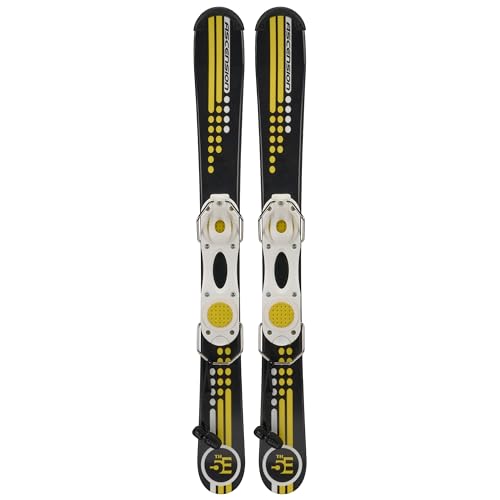
- ✓ Fully adjustable bindings
- ✓ Durable metal edges
- ✓ Compact and portable
- ✕ Non-release bindings
- ✕ Not ideal for beginners
| Length | 99 cm (39 inches) |
| Binding Compatibility | Fits up to size 32.5 ski boots (men’s size 13) |
| Binding Type | Non-release, fully adjustable mini ski bindings |
| Construction Material | Extruded base with durable metal edges |
| Intended Use | All-mountain, trick skiing, ski skating, skate skiing |
| Weight Capacity | Suitable for adults and children, designed for all skill levels |
The first time I slipped my feet into the 5th Element 99cm ski blades, I immediately felt how sturdy and confident they are. The metal edges felt solid under my boots, and the adjustable bindings made me realize I could customize the fit perfectly for my size.
As I strapped in, the non-release bindings with the ankle leash gave me peace of mind, knowing my skis wouldn’t go rogue on me.
Gliding onto the snow, I noticed how lightweight yet durable these blades are. They feel nimble, almost like skating on skis but with a shorter, more playful vibe.
The shape of the ski blades made balancing feel intuitive, and I was able to weave through the resort with ease. The fully adjustable bindings easily accommodated my size 11 boots, and I appreciated how quick it was to get ready.
Trying some tricks in my backyard, I found they responded well to quick turns and small jumps. The extruded base held up surprisingly well to a bit of rough landings, and I could feel the sturdy construction supporting my freestyle attempts.
Packing them into my backpack was a breeze, making it simple to take them anywhere. Overall, these ski blades are a blast for all-mountain fun and trick skiing, especially for those who want versatility without sacrificing durability.
Whether you’re hitting the resort or just playing around, these blades are a great way to enjoy winter in a different, more playful way. Just keep in mind—they’re non-release, so a little extra caution on tricky terrains is wise.
What Is Ski Freestyle and Why Is It Popular?
Ski freestyle, a dynamic and visually captivating discipline within skiing, combines elements of skiing with acrobatics, allowing athletes to showcase creativity and skill. This sport includes various features like jumps, rails, and halfpipes, enabling enthusiasts to perform tricks, flips, and spins in a controlled environment.
The popularity of ski freestyle has surged due to several factors:
- Inclusivity: Suitable for skiers of all levels, from beginners to experts, ski freestyle encourages personal expression and progression.
- Media Exposure: High-profile events such as the X Games and Winter Olympics have brought ski freestyle into the limelight, showcasing thrilling performances and attracting new fans and participants.
- Community: Freestyle skiing fosters a vibrant community, providing opportunities for skiers to connect, participate in competitions, and support one another.
As a testament to its growth, ski resorts increasingly invest in terrain parks designed specifically for freestyle activities, making it more accessible to riders seeking to develop their skills and tricks.
What Are the Essential Skills for Ski Freestyle Success?
The essential skills for ski freestyle success include a combination of technical abilities, physical fitness, and mental toughness.
- Balance: Maintaining balance is crucial in ski freestyle as it allows skiers to execute tricks and maneuvers effectively. Good balance helps in landing jumps smoothly and maintaining control during spins and flips.
- Agility: Agility involves quick changes in direction and speed, which are vital when navigating terrain parks and performing tricks. An agile skier can react swiftly to unexpected changes, ensuring a safer and more fluid performance.
- Strength: Core and leg strength are essential for executing jumps and absorbing landings. Strong muscles help skiers maintain stability and minimize the risk of injury during high-impact maneuvers.
- Flexibility: Flexibility enhances a skier’s range of motion, which is important for performing various tricks and maintaining body control. Increased flexibility can also prevent injuries by allowing the body to adapt to different positions during tricks.
- Creativity: Creativity in ski freestyle allows skiers to invent new tricks and styles, making their performances unique and engaging. It encourages innovation, helping skiers stand out in competitions and express their individual style.
- Confidence: Building confidence is key to pushing boundaries and attempting more complex tricks. A confident skier is more likely to take risks and challenge themselves, which is essential for growth and improvement in freestyle skiing.
- Focus: Staying focused helps skiers concentrate on their movements and the terrain, reducing the likelihood of mistakes. A focused mindset allows for better decision-making, especially in high-pressure situations like competitions or challenging runs.
How Can You Master Jumps in Ski Freestyle?
To master jumps in ski freestyle, it’s essential to focus on technique, practice, and understanding the various jump types.
- Proper Stance: Maintaining an athletic stance is crucial for balance and control during jumps.
- Takeoff Technique: Understanding how to generate lift and momentum from the takeoff is essential for height and distance.
- Air Awareness: Developing a sense of orientation and positioning while airborne helps in executing tricks safely.
- Landing Mechanics: Learning to absorb impacts properly during landings reduces the risk of injury and improves performance.
- Progressive Training: Gradually increasing the complexity of jumps and tricks can enhance skill development and confidence.
Proper stance involves bending your knees slightly, keeping your weight centered over your skis, and aligning your body for optimal balance. This position allows for quick adjustments in the air and prepares you for a stable landing.
Takeoff technique is about timing and using your legs to push off the jump effectively. By bending your knees and then extending them at the right moment, you can achieve better lift and trajectory, enabling you to perform more complex maneuvers in the air.
Air awareness refers to the ability to know your body’s position while in the air. This skill is developed through practice and helps skiers execute spins, flips, and other tricks without losing control, making landings more predictable.
Landing mechanics involve absorbing the impact by bending your knees and keeping your weight centered. Proper landings are crucial for maintaining speed and flow after a jump, as well as for reducing the likelihood of injuries.
Progressive training means starting with smaller jumps and simpler tricks before advancing to more complicated maneuvers. This method allows skiers to build confidence and skill incrementally, which is essential for mastering the best ski freestyle techniques.
What Techniques Are Crucial for Perfecting Spins in Ski Freestyle?
To perfect spins in ski freestyle, several techniques are crucial:
- Pop Technique: This technique involves the proper timing and force of the jump to initiate a spin. Athletes must use their legs to push off the jump while keeping their body compact to gain rotational speed.
- Body Positioning: Maintaining the right body position during the spin is vital for balance and control. Skiers should keep their arms close to the body and focus on looking over their shoulder in the direction of the spin to enhance rotation.
- Spotting: Spotting is the practice of focusing on a specific point on the ground as the skier completes their rotation. This helps in maintaining orientation and allows for a smoother landing after the spin.
- Momentum Control: Managing momentum before and during the spin is essential. Skiers should build enough speed before the jump but also know how to control their speed to ensure they don’t over-rotate or under-rotate during the trick.
- Practice with Variations: Trying different spin variations, such as adding grabs or changing the direction of the spin, helps skiers develop versatility and confidence. This practice not only builds skills but also allows athletes to discover their personal style in freestyle skiing.
What Equipment Is Best for Ski Freestyle Enthusiasts?
The best equipment for ski freestyle enthusiasts includes a variety of gear designed to enhance performance and safety while executing tricks and maneuvers.
- Freestyle Skis: Freestyle skis are typically shorter and have a twin-tip design, allowing skiers to land switch (backward) and perform tricks in both directions. These skis are lightweight and have a softer flex, making them more forgiving for jumps and rail slides.
- Ski Boots: Freestyle ski boots are designed for comfort and flexibility, providing a snug fit while allowing for easy movement in the ankle. Many models feature a softer flex rating, which is ideal for absorbing impacts during landings and enhancing control during tricks.
- Ski Bindings: Bindings for freestyle skiing should offer a balance of performance and safety, typically featuring a higher release value to prevent accidental releases during tricks. Look for bindings that are lightweight and provide a good range of motion to facilitate quick movements and adjustments.
- Helmet: A quality helmet is essential for freestyle skiing, as it protects against head injuries during falls and impact. Many helmets designed for this sport come with additional features like adjustable ventilation and audio compatibility for an enhanced experience on the slopes.
- Goggles: Goggles are crucial for protecting your eyes from UV rays and snow glare, and those designed for freestyle skiing often feature a wider field of vision and anti-fog technology. Look for models that allow for easy lens changes, enabling skiers to adapt to changing light conditions.
- Protective Gear: This includes knee pads, wrist guards, and padded shorts to mitigate the risk of injury during falls. Protective gear is especially important for freestyle skiers who are more likely to take spills while attempting tricks and stunts.
- Backpack: A lightweight, compact backpack is essential for carrying extra gear, snacks, and hydration while skiing. Look for models designed specifically for skiing, which often include features like hydration reservoirs and compartments for safety gear.
Which Skis Should You Choose for Freestyle Performance?
When selecting skis for freestyle performance, there are several top options to consider:
- Armada ARV 96: These skis are known for their versatility and playfulness in the park and on the mountain.
- Line Honey Badger: A favorite among freestyle skiers, the Honey Badger excels in both jumps and rails.
- K2 Poacher: Designed for the dedicated park skier, the Poacher offers a balanced blend of stability and maneuverability.
- Salomon NFX: The NFX delivers a unique combination of performance and fun, making it a solid choice for any freestyle enthusiast.
- Faction Candide 2.0: Developed in collaboration with pro skier Candide Thovex, these skis are engineered for high performance in all freestyle conditions.
The Armada ARV 96 features a lightweight construction with a twin-tip design, allowing for easy switch riding and enhanced maneuverability. Its hybrid profile combines camber underfoot for stability and rocker in the tips for playful turn initiation, making it an excellent all-mountain freestyle option.
The Line Honey Badger is engineered with a soft flex and a symmetrical design, allowing for effortless tricks and spins. Its lightweight construction and durability make it ideal for hitting rails and jumps, while the early rise tips provide excellent float in powder conditions.
The K2 Poacher is built with a sturdy core and a robust sidewall construction, providing excellent edge grip and stability at high speeds. Its versatile design allows skiers to easily transition between park features and all-mountain skiing, making it a favorite among competitive freestyle riders.
The Salomon NFX is characterized by its lightweight construction and playful flex, which allows for quick spins and smooth landings. With a focus on durability and performance, these skis are perfect for skiers who want to push their limits in the park or the backcountry.
The Faction Candide 2.0 is designed with input from one of the sport’s legends, ensuring top-notch performance in various freestyle situations. The ski’s responsive flex and twin-tip design make it ideal for both creative tricks and powerful landings, catering to skiers who want to express their style on the slopes.
What Type of Protective Gear Is Necessary for Freestyle Skiers?
The necessary protective gear for freestyle skiers includes:
- Helmet: A high-quality helmet designed for skiing is essential for protecting the head during falls and collisions.
- Goggles: Goggles protect the eyes from UV rays, wind, and snow, ensuring clear vision in varying weather conditions.
- Wrist Guards: Wrist guards help prevent injuries to the wrists, which are particularly vulnerable during falls and tricks.
- Knee Pads: Knee pads provide cushioning and protection for the knees, which often take impact during landings and falls.
- Impact Shorts: These padded shorts protect the hips and tailbone from bruises and fractures during trick attempts.
- Elbow Pads: Elbow pads safeguard against impacts and scrapes, which can occur when landing or during falls.
- Back Protector: A back protector offers additional safety for the spine, particularly during high-impact tricks and jumps.
Helmets are crucial as they absorb impact and reduce the risk of head injuries. It’s important to choose helmets that meet safety standards and fit well to ensure maximum protection.
Goggles are not only for visibility but also enhance safety by preventing snow and debris from impairing sight, which is vital for navigating tricky terrain.
Wrist guards are particularly beneficial for freestyle skiers, as they support the wrists during landings and mitigate the risk of fractures or sprains caused by falls.
Knee pads are designed to absorb shocks and protect joints, which is critical for freestyle maneuvers that involve jumping and landing on various surfaces.
Impact shorts are made from padded materials that cushion the hips and lower back, providing essential protection against bruises during falls.
Elbow pads are important for protecting against abrasions and injuries, especially when skiers are attempting tricks that involve significant arm movement.
A back protector is recommended for advanced skiers who engage in complex jumps; it adds an extra layer of safety against potential spinal injuries.
What Are the Top Locations for Ski Freestyle?
The top locations for ski freestyle offer a combination of excellent terrain, high-quality parks, and favorable conditions.
- Whistler Blackcomb, Canada: Known for its vast terrain, Whistler Blackcomb features a world-class terrain park with jumps, rails, and halfpipes suitable for all skill levels. The annual World Ski and Snowboard Festival also attracts freestyle enthusiasts from around the globe, making it a vibrant spot for competitions and events.
- Park City Mountain Resort, USA: Park City boasts one of the largest ski areas in the United States, complete with multiple terrain parks that cater to freestyle skiers. The resort hosts various competitions and has a rich history in freestyle skiing, having been a venue for the 2002 Winter Olympics.
- Laax, Switzerland: Renowned for its exceptional freestyle features, Laax offers numerous parks and the famous Crap Sogn Gion halfpipe, which is often considered one of the best in the world. The resort attracts top athletes and hosts several international freestyle events, making it a hub for freestyle skiing in Europe.
- Stubai Glacier, Austria: Stubai Glacier features one of the largest terrain parks in the Alps, with a variety of jumps, boxes, and rails that cater to all skill levels. Its high-altitude location ensures reliable snow conditions, allowing for a long freestyle season that attracts many skiers and snowboarders.
- Snowpark, USA: Located in Mammoth Mountain, the Snowpark is famous for its creative features and well-maintained jumps, making it a favorite among freestyle skiers. The park’s diverse setup allows for progression, accommodating both beginners and advanced riders looking to refine their skills.
- Les Arcs, France: Les Arcs features an impressive freestyle park that includes a variety of features such as jumps, rails, and a dedicated area for beginners. The resort’s picturesque alpine setting and reliable snow make it an attractive destination for freestyle skiing throughout the winter season.
How Can You Enhance Your Ski Freestyle Performance?
Technique Practice: Dedicate time to practicing specific tricks and movements on the slopes, focusing on the mechanics of each maneuver. Working with a coach or experienced skier can provide valuable feedback, helping you to identify and correct any technical flaws.
Video Analysis: Capturing your runs on video enables you to assess your performance from a different perspective, identifying aspects that may need improvement. By comparing your technique against professional skiers or analyzing your progress over time, you can set specific goals for your development.
On-Snow Training: Frequent skiing in various conditions helps develop adaptability and confidence when attempting new tricks. Spend time in terrain parks to practice jumps, rails, and other features, as this will help you become more comfortable with the freestyle environment.
Mental Visualization: Practicing visualization techniques can enhance your mental preparedness by allowing you to create a mental image of successfully executing your tricks. This not only builds confidence but also helps reduce anxiety when trying new moves on the slopes.
Related Post: