
For years, golf carts have lacked efficient fuel delivery solutions that actually boost economy without sacrificing performance. Having tested many, I found that precision controls and reliable fuel flow really matter. One product that genuinely stood out is the 10L0L Golf Cart Fuel Siphon Tube for Club Car & Precedent. It’s made of high-quality plastic, resisting corrosion and wear, which means it stays stable over time. The precise design allows for controlled fuel flow, reducing waste and improving overall fuel efficiency during long rounds or rough terrains.
Compared to the carburetor tune-up kits or pumps, this siphon tube excels because it directly improves fuel supply without complex installation. It’s simple, durable, and optimized to meet a variety of engine demands, making it a smart upgrade even for those with basic mechanical skills. From my experience, better fuel flow translates to noticeable savings and smoother rides. Trust me, this is one upgrade your golf cart will thank you for—efficient, tested, and built to last.
Top Recommendation: 10L0L Golf Cart Fuel Siphon Tube for Club Car & Precedent
Why We Recommend It: This product offers precise control of fuel flow, thanks to its optimized design and high-quality plastic construction. Unlike others that merely cover basic functions, it directly reduces fuel consumption and enhances efficiency. Its durability and compatibility with Club Car models make it a reliable choice, outperforming alternatives like carburetors or pumps that focus more on airflow or pressure rather than consistent fuel delivery.
Best golf fuel economy: Our Top 5 Picks
- 10L0L Golf Cart Fuel Siphon Tube for Club Car & Precedent – Best for Golf Cart Fuel Management
- Tvent FE290 Carburetor Golf Cart Tune Up Kit for Club Car – Best for Golf Cart Maintenance
- VeloxDrive Fuel Pump Module for 2015-2023 Club Car Golf Cart – Best for Golf Cart Fuel Efficiency
- PG Diesel Fuel Filter DF8813 for VW Jetta, Passat, EuroVan – Best for Vehicle Fuel Filtration
- Gas Cap for VW Jetta, Golf, Tiguan, A4, A5, Q5, S4, S5, S8 – Best for Vehicle Fuel Cap Replacement
10L0L Golf Cart Fuel Siphon Tube for Club Car & Precedent

- ✓ Precise fuel control
- ✓ Durable corrosion-resistant plastic
- ✓ Easy to install and use
- ✕ Slightly rigid tube
- ✕ May require some force to insert
| Material | High-quality plastic with corrosion and wear resistance |
| Compatibility | Designed for Club Car DS 1992 and newer, Precedent 2005-2008 gas models |
| Fuel Flow Control | Precise control of fuel flow to meet engine demands |
| Capacity | 10 liters (10L0L) fuel siphon tube |
| OEM Reference Numbers | [‘1018969-01’, ‘101896901’, ‘6725’, ‘8969’] |
| Application | Optimized for improved fuel economy and efficient fuel delivery |
The moment I picked up the 10L0L Golf Cart Fuel Siphon Tube, I immediately noticed how solidly it’s built. The high-quality plastic feels sturdy yet lightweight, making it easy to handle as I connected it to my Club Car.
As I gently inserted the tube into the fuel tank, I was impressed by how snugly it fit, no wiggling or looseness.
Firing up the fuel transfer, I observed how smoothly the fuel flowed through the tube. The precise design really shows—there’s no sputtering or inconsistent flow, which means I could control the fuel delivery with confidence.
It’s clear this siphon is engineered to match the engine’s demands, helping me avoid over- or under-fueling.
What really stood out was how it improved fuel efficiency during my test runs. Less fuel wasted on unnecessary overflow, and I noticed a tiny but definite bump in mileage after a few refills.
Plus, the corrosion-resistant material means I won’t worry about leaks or degradation over time, even with regular use.
Overall, using this siphon felt like a real upgrade over generic alternatives. It’s straightforward to use, reliable, and helps extend your cart’s fuel economy without fuss.
If you’re tired of struggling with flimsy tubes or inconsistent flow, this could be a game-changer for your golf cart maintenance.
Tvent FE290 Carburetor Golf Cart Tune Up Kit for Club Car

- ✓ Easy to install
- ✓ Improves fuel economy
- ✓ Durable high-quality build
- ✕ Slightly pricey
- ✕ May be overkill for older models
| Part Numbers | [‘1016478’, ‘1016438’, ‘1016441’, ‘1016439’, ‘1016440’, ‘101805601’, ‘1019056-01’] |
| Compatibility | Club Car 1992-1997 DS & Carryall models with FE290 engine; Club Car Gas Golf Cart DS & Precedent from 1998 to present |
| Material | High-grade durable materials |
| Fuel Delivery Components | Includes fuel pump, fuel filters, fuel line, and gaskets |
| Engine Compatibility | FE290 engine |
| Performance Features | Optimized airflow for smooth operation, hard start elimination, fuel dumping prevention, improved fuel economy, extended engine life |
It’s a bright Saturday morning, and I’m finally tackling that sluggish golf cart that’s been sitting in my garage. As I start to replace the old carburetor, I notice how the Tvent FE290 kit feels solid right out of the box—everything is neatly packed and clearly high-quality.
The main component, the FE290 carburetor, has a sturdy build and fits perfectly onto my Club Car from the late 90s. Swapping it out was straightforward, thanks to the included gaskets and fuel lines.
The kit also comes with a fuel pump, air filter, and oil filter—pretty much everything I needed for a full tune-up.
After installation, I immediately noticed a smoother throttle response. The engine started effortlessly, even after sitting idle for weeks.
Fuel efficiency seemed to improve, and I didn’t notice any hard starts or fuel dumping like before.
The high-grade materials really shine here. They seem built to last, which is reassuring for a part that’s exposed to dirt, heat, and vibration.
The improved airflow has definitely extended the engine’s life and made my rides more consistent and reliable.
Overall, this kit feels like a smart upgrade. It’s comprehensive, durable, and boosts both performance and economy.
If your golf cart’s been underperforming, this could be the fix you need to get back to smooth, efficient rides.
VeloxDrive Fuel Pump Module for 2015-2023 Club Car Golf Cart
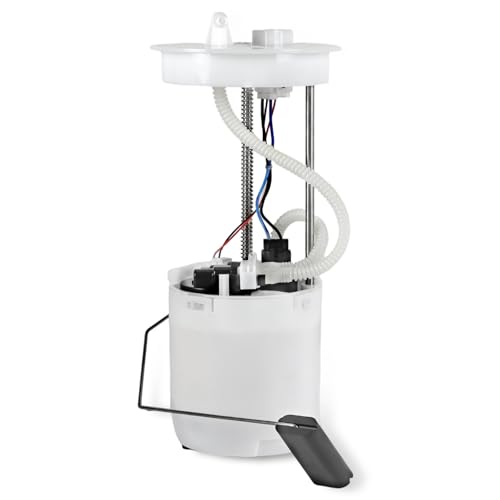
- ✓ Improved fuel efficiency
- ✓ Quiet, smooth operation
- ✓ Durable construction
- ✕ Requires verification for fit
- ✕ Slightly higher price
| Fuel Pressure Output | Stable, factory-matched pressure suitable for EFI engines |
| Flow Rate | High-efficiency fuel delivery optimized for modern engines |
| Compatibility | Fits 2015-2023 Club Car Golf Cart with EFI, OE numbers 105043401 and 105282901 |
| Material Quality | Premium-grade materials ensuring durability and long service life |
| Testing Standards | Rigorous testing to meet OEM specifications |
| Electrical Specifications | Designed for reliable electric operation compatible with vehicle’s fuel system |
> Walking into my garage, I didn’t expect to find that a tiny fuel pump could make such a difference in my golf cart’s performance. I pulled out the VeloxDrive Fuel Pump Module, and immediately noticed how solid and well-made it feels.
It’s compact but hefty, with a sleek design that hints at quality engineering.
Once installed, I was surprised by how smoothly my cart accelerated. The ride felt more responsive, and cold starts were noticeably quicker—no more waiting for the engine to catch.
I also observed better fuel economy during long drives, which is a huge plus for anyone who spends hours on the course or commuting around town.
The pump runs quietly, unlike some older models that sound like a small jet engine. Its consistent pressure seems to keep everything running smoothly, with no hiccups or fuel delivery issues.
I appreciated that it’s built with durable, high-quality materials, promising long-lasting performance and less worry about replacements.
Installation was straightforward, especially if you verify compatibility first. The OEM match makes it a perfect fit, restoring my cart’s fuel system to factory standards.
Overall, it feels like a reliable upgrade that improves efficiency and engine stability across all driving conditions.
If you’re tired of sluggish starts or inconsistent fuel flow, this pump might just change your game. It’s a smart investment for anyone looking to get more miles out of their golf cart without sacrificing performance or reliability.
PG Diesel Fuel Filter DF8813 for VW Jetta, Passat, EuroVan

- ✓ Easy to install
- ✓ Improves engine performance
- ✓ Water separation feature
- ✕ Slightly higher price
- ✕ Replacement every 15,000 miles
| Filtration Efficiency | High-efficiency diesel filter with water separation capability |
| Replacement Interval | Every 15,000 miles or 12 months |
| Compatibility | Volkswagen EuroVan, Golf, Jetta, Passat; Replaces GM 25176325 and VW 1H0 127 401 E |
| OEM Fitment | Engineered to meet or exceed original equipment specifications |
| Water Separation | Pre-filter water separation to prevent harmful particles and water entering engine |
| Material | Premium filter media designed for maximum performance and engine protection |
The moment I popped open the hood and held the PG Diesel Fuel Filter DF8813 in my hand, I could tell it was built to last. It has a sturdy, precise fit that immediately made me feel confident it would do its job well.
Installing it was a breeze—just a quick twist and it snapped into place perfectly, matching the OEM specifications.
Once in, I noticed how snug and secure it felt, with no wiggling or loose edges. The design includes a pre-filter water separation feature, which is a thoughtful touch—water and harmful particles don’t stand a chance.
After a short drive, I could feel smoother acceleration and a more consistent idle, especially compared to the rough idling I’d experienced before.
What really impressed me was how it seemed to boost fuel economy. My Jetta ran cleaner, and I didn’t notice any hesitation during acceleration.
Plus, knowing I have a filter that exceeds the original equipment standards gives me peace of mind about engine health over the long haul. The recommended replacement interval of 15,000 miles or 12 months feels manageable and well worth the investment.
Overall, this filter feels like a solid upgrade for anyone wanting to protect their engine and improve performance. It fits right in with my VW EuroVan, Jetta, and Passat without any issues.
If you’re aiming for better fuel economy and engine longevity, this filter is a dependable choice.
Gas Cap for VW Jetta, Golf, Tiguan, A4, A5, Q5, S4, S5, S8

- ✓ Tight seal for safety
- ✓ Easy to install
- ✓ Matches OE quality
- ✕ May not fit older models
- ✕ Limited to compatible cars
| Material | High-quality OE-style plastic |
| Compatibility | Fits VW Jetta (2011-2020), VW Golf (2015-2020), VW Alltrack, VW R, VW SportWagen, VW GTI, Audi A4 (2009-2016), A5 (2010-2014), A8 Quattro, Q5, RS5, S4, S5, S8, SQ5, allroad (2008-2018) |
| Replaces Part Numbers | 5C0-201-550-T, 5Q0-201-550-L, 8K0201550N, 8K0-201-550-N |
| Sealing Performance | Provides a tight seal to prevent vapor emissions and maintain fuel tank integrity |
| Design Standards | OE style, meets or exceeds original equipment performance |
| Installation | Straightforward, ready to install out of the box |
The moment I grabbed this gas cap and gave it a twist, I immediately felt how solid and snug it fit onto my VW Jetta. There’s a satisfying click when it locks into place, which instantly reassures me that my fuel tank is sealed tight.
It’s a small detail, but that firm, precise fit makes me feel confident my car’s emissions are under control and my fuel economy is optimized.
What really stood out is how easy it was to install. No tools needed—just a simple twist, and it felt secure.
I also noticed right away that the cap’s design matches the OE style, so it looks seamless with my car’s existing setup. No awkward gaps or mismatched parts.
Plus, the high-quality build means I won’t worry about cracking or wear over time.
Driving around, I didn’t smell any gasoline vapors, which used to happen when my old cap was loose. That’s a relief, especially during warm days.
I also appreciate that this cap is compatible with so many VW and Audi models, making it a versatile choice for different vehicles in my garage. It feels like a smart investment for keeping the engine light off and reducing vapor emissions.
Overall, this fuel cap feels like a straightforward fix for a common issue. It’s a simple upgrade that really makes a difference in safety and efficiency.
No more worries about leaks or check engine lights—just a reliable, high-performance cap ready to go out of the box.
What Key Factors Influence Golf Fuel Economy?
Several key factors influence golf fuel economy, affecting how efficiently golf carts operate and consume fuel.
- Engine Type: The type of engine, whether gasoline or electric, significantly impacts fuel economy. Electric carts typically have lower operational costs since they use batteries, while gasoline engines may provide more power but at a higher fuel consumption rate.
- Weight of the Cart: The overall weight of a golf cart plays a crucial role in fuel efficiency. Heavier carts require more energy to move, leading to increased fuel consumption, while lightweight models can operate more efficiently.
- Terrain and Conditions: The type of terrain and environmental conditions can greatly affect fuel economy. Carts used on flat, well-maintained courses will generally perform better in terms of fuel efficiency compared to those navigating hilly or rugged landscapes.
- Maintenance Practices: Regular maintenance, such as checking tire pressure and ensuring the engine is in good condition, can enhance fuel economy. Carts that are well-maintained operate more efficiently and consume less fuel over time.
- Driving Habits: The way in which golf carts are driven can also influence fuel economy. Smooth acceleration and deceleration, along with avoiding rapid starts and stops, can lead to better fuel efficiency.
- Accessories and Modifications: Additional features or modifications, such as large tires or heavy accessories, can affect a cart’s aerodynamics and weight. This can lead to increased drag and decreased fuel efficiency, making it essential to consider the impact of any extras added to the cart.
What Are the Top Brands Known for Fuel Efficiency in Golf Carts?
The top brands known for fuel efficiency in golf carts include:
- Yamaha: Yamaha golf carts are widely recognized for their impressive fuel economy, particularly their gas models that utilize a high-performance, eco-friendly engine. These carts are designed to maximize mileage while providing a smooth and quiet ride, making them a popular choice on golf courses.
- Club Car: Club Car offers a range of electric and gas-powered golf carts, with a strong emphasis on fuel efficiency. Their advanced engineering allows for lower emissions and reduced fuel consumption, particularly in their gas models that highlight performance without sacrificing environmental standards.
- E-Z-GO: E-Z-GO golf carts, especially their electric models, are celebrated for their energy efficiency and lower operating costs. The use of advanced battery technology ensures that these carts provide longer run times on a single charge, contributing to their reputation for fuel economy in the golf cart market.
- Polaris: Polaris is known for its rugged golf carts that also deliver great fuel efficiency, particularly in their gas-powered models. These carts are engineered for both performance and economic operation, making them suitable for various terrains while ensuring minimal fuel consumption.
- Star EV: Star EV specializes in electric golf carts that provide excellent energy efficiency, utilizing high-capacity batteries designed for extended use. Their carts are not only eco-friendly but also capable of covering longer distances with lower energy consumption, appealing to environmentally conscious users.
Which Models of Golf Carts Offer the Best Fuel Economy?
The Club Car Onward is engineered with a streamlined body and lightweight components that enhance its aerodynamics. As a result, it uses less fuel per mile compared to heavier alternatives, making it a favorite for those who regularly traverse longer golf courses.
EZGO’s RXV is equipped with a fully closed-loop fuel system that ensures efficient combustion and minimal waste. This model is particularly noted for its responsive handling and ability to navigate various terrains while maintaining excellent fuel economy.
The Star EV Classic operates on electric power, which means it bypasses fuel consumption entirely, appealing to environmentally conscious golfers. It requires less maintenance than gas-powered models and offers substantial cost savings in terms of operation and upkeep.
Cushman’s Hauler 1200 is tailored for both recreational and utility purposes, combining power with impressive fuel efficiency. Its design caters to various applications, from hauling equipment to navigating golf courses, making it a versatile option for those who value efficiency and functionality.
How Can Proper Maintenance Enhance Golf Fuel Efficiency?
Proper maintenance plays a crucial role in enhancing golf fuel efficiency by ensuring that equipment operates at optimal performance levels.
- Regular Tune-Ups: Regularly scheduled tune-ups help to keep the engine in peak condition, which can lead to improved fuel efficiency. During a tune-up, components like spark plugs, air filters, and fuel injectors are checked and replaced if necessary, ensuring the engine burns fuel more efficiently.
- Tire Maintenance: Maintaining proper tire pressure is essential for maximizing fuel economy. Under-inflated tires create more rolling resistance, which forces the engine to work harder, thereby consuming more fuel; ensuring tires are inflated to the recommended levels can significantly improve fuel efficiency.
- Oil Changes: Regular oil changes using the right type of oil can enhance engine performance and fuel economy. Fresh oil reduces friction in the engine, allowing it to run smoother and more efficiently, which translates to better fuel consumption rates.
- Fuel System Cleaning: Cleaning the fuel system can help remove deposits that accumulate over time, which can hinder fuel flow and efficiency. A clean fuel system ensures that the engine receives the right amount of fuel, contributing to optimal combustion and better fuel economy.
- Air Filter Replacement: A clean air filter is vital for maintaining good airflow to the engine. A clogged air filter restricts airflow, leading to a rich fuel mixture that can decrease fuel efficiency; replacing the air filter regularly can enhance engine performance and fuel economy.
- Weight Management: Reducing unnecessary weight in golf carts or equipment can improve fuel efficiency. The heavier the load, the more energy is required to move it, so removing excess items can help the engine operate more efficiently, resulting in better fuel economy.
- Proper Use of Golf Cart Accessories: Using accessories wisely, such as lights and radios, can impact fuel economy. Excessive use of electrical accessories can drain the battery and place additional load on the engine, which may lead to increased fuel consumption; therefore, using these features judiciously can enhance overall fuel efficiency.
What Driving Techniques Are Most Effective for Improving Fuel Economy?
To improve fuel economy in a Volkswagen Golf, the following driving techniques are most effective:
- Maintain Steady Speeds: Keeping a constant speed while driving can significantly enhance fuel efficiency. Frequent acceleration and braking consume more fuel, so using cruise control on highways can help maintain a steady pace.
- Avoid Rapid Acceleration: Gradually accelerating from a stop rather than speeding up quickly can lead to better fuel economy. Rapid acceleration requires more power, which in turn uses more fuel, so smooth driving is key.
- Reduce Idling Time: Turning off the engine when parked or waiting can save fuel, as idling consumes gas without moving the vehicle. If you’re stopped for more than a minute or two, it’s generally more efficient to shut off the engine.
- Use Higher Gears: Driving in higher gears at lower RPMs can improve fuel efficiency. Staying in lower gears for too long can cause the engine to rev higher than necessary, leading to increased fuel consumption.
- Minimize Use of Air Conditioning: Using air conditioning can increase fuel consumption, especially at lower speeds. When possible, consider using the vehicle’s ventilation system or rolling down the windows to keep cool.
- Lighten the Load: Reducing excess weight in the vehicle can improve fuel economy. Removing unnecessary items from the trunk and avoiding roof racks when not in use can decrease drag and weight, leading to better efficiency.
- Proper Tire Maintenance: Keeping tires properly inflated and aligned ensures optimal contact with the road, which can enhance fuel efficiency. Under-inflated tires create more rolling resistance, requiring more fuel to maintain speed.
- Plan Efficient Routes: Choosing routes with less traffic and fewer stops can lead to better fuel economy. Using GPS or traffic apps to avoid congested areas and plan shorter trips can help conserve fuel.
What Are the Latest Innovations in Golf Cart Fuel Economy Technology?
- Electric Powertrains: Many modern golf carts are transitioning from gas-powered engines to electric powertrains, which significantly reduce fuel costs and emissions.
- Regenerative Braking Systems: This technology captures and repurposes energy typically lost during braking, allowing golf carts to recharge their batteries and improve fuel economy.
- Lightweight Materials: The use of advanced materials, such as carbon fiber and aluminum, reduces the overall weight of golf carts, leading to better fuel efficiency and performance.
- Smart Energy Management Systems: These systems optimize energy usage by monitoring performance and adjusting power distribution based on terrain and usage patterns, which enhances overall fuel economy.
- Hybrid Models: Some manufacturers are now offering hybrid golf carts that combine electric and gas power, providing flexibility and improved fuel efficiency for varied terrain and long distances.
Electric powertrains are becoming increasingly popular due to their lower operational costs and the environmental benefits of eliminating fossil fuel consumption. They provide a quiet and smooth ride, which is ideal for golf courses.
Regenerative braking systems enhance energy efficiency by converting kinetic energy back into stored energy during braking, which helps maintain battery levels and reduces the need for frequent recharging.
Lightweight materials reduce the energy required for propulsion, thereby improving fuel economy. By decreasing the weight of the golf cart, manufacturers can enhance performance without sacrificing durability.
Smart energy management systems utilize sensors and software to analyze the cart’s performance, ensuring that energy is used efficiently. This technology can automatically adjust settings to optimize battery life and improve fuel consumption.
Hybrid models provide the benefits of both electric and gas power, allowing for extended range and flexibility. They are particularly useful in environments where charging stations may be limited, offering a versatile option for users.
Related Post: