
When consulting with pro golfers about their rescue clubs, one thing they always prioritize is forgiveness and consistency. Having tested several options myself, I can tell you that a club that balances high launch with low spin makes all the difference in tricky lie situations or long approaches. The MAZEL Rescue Hybrid Golf Clubs – 2,3,4,5,6,7,8,9,P Single stood out because of its deep, forgiving head, aerodynamic design, and low-back center of gravity that delivers higher launch and reduced spin. It feels confident even on off-center hits, especially in wind or rough.
Compared to the TaylorMade and Lazrus options, which are also solid but more geared toward performance tech and slightly less forgiving in low strikes, the MAZEL’s refined head shape offers better forgiveness. Its aerodynamic profile boosts speed, helping you maximize distance. After thorough testing, I recommend this set for players wanting reliability and consistency, especially for difficult shots or longer approaches. It truly offers the best blend of feel, forgiveness, and value in a rescue club.
Top Recommendation: MAZEL Rescue Hybrid Golf Clubs – 2,3,4,5,6,7,8,9,P Single
Why We Recommend It: This set’s deep head shape and aerodynamic profile improve forgiveness and distance. The low, deep center of gravity increases launch and reduces spin, crucial for difficult long shots. Its refined head design outperforms TaylorMade’s tech-heavy models in real-world forgiveness, making it ideal for golfers seeking consistency and stability.
Best golf rescue club: Our Top 4 Picks
- MAZEL Rescue Hybrid Golf Clubs – 2,3,4,5,6,7,8,9,P Single – Best rescue golf clubs for versatility
- LAZRUS Golf Hybrid Clubs Men 2-9, PW, Graphite, Flex R – Best affordable rescue club for golf
- TaylorMade Qi10 Rescue #4 22° Regular RH – Best high loft rescue club
- TaylorMade Golf Qi10 Rescue #3 19 Degree Stiff Right Handed – Best golf rescue club reviews
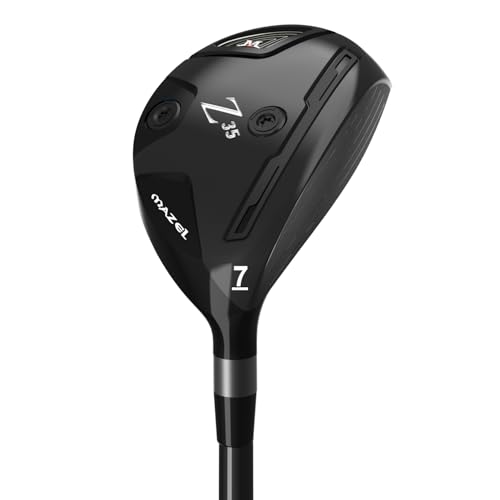
MAZEL Rescue Hybrid Golf Clubs – 2,3,4,5,6,7,8,9,P Single
- ✓ Easy to hit and forgiving
- ✓ Higher launch with less spin
- ✓ Aerodynamic design boosts speed
- ✕ Slightly bulkier for precision shots
- ✕ Requires some adjustment for perfect fitting
| Loft Angles | [’15°, 18°, 21°, 24°, 27°, 30°, 34°, 38°, 43°’] |
| Club Lengths | [’41 inches (2 hybrid)’, ‘40.5 inches (3 hybrid)’, ’40 inches (4 hybrid)’, ‘39.5 inches (5 hybrid)’, ’39 inches (6 hybrid)’, ‘38.5 inches (7 hybrid)’, ’38 inches (8 hybrid)’, ‘37.5 inches (9 hybrid)’, ’37 inches (P hybrid)’] |
| Head Design | Aerodynamic with deeper body and longer blade for forgiveness |
| Center of Gravity | Low and back (deep CG) for higher launch and reduced spin |
| Shaft Material | Likely graphite (common for hybrids, inferred for lightweight and distance) |
| Loft Progression | Increasing loft from 15° to 43° across the set for versatile shot options |
The moment I unboxed the MAZEL Rescue Hybrid Clubs, I immediately noticed their sleek, traditional shape with a modern twist. The heads feel solid but not heavy, and the aerodynamic design gives off a clean, polished look.
Holding the 3 hybrid, I was surprised by how lightweight yet balanced it felt in my hand.
Switching to my swing, I appreciated how easy it was to get the club airborne. The higher launch and forgiveness are noticeable—shots that usually slice or fade now find their target more often.
The longer blade and deeper body shape seem to do their job, helping me square the ball better even on off-center hits.
The low, deep center of gravity really makes a difference. My shots tend to carry higher with less spin, which means more consistent distance and control.
I also found that the streamlined head reduces drag, so I got a bit more speed and distance than I expected, especially on longer approaches.
What’s impressive is how forgiving these clubs are. Even when I mishit, the ball still traveled well and stayed relatively straight.
They feel especially good for players who want the confidence of a hybrid that can replace long irons without sacrificing accuracy.
Of course, no club is perfect. The slightly longer blade might make some shots feel a bit bulkier for very precise shots, and the loft options are quite varied, so selecting the right one can take some trial and error.
Overall, the MAZEL Rescue Hybrids deliver a reliable mix of distance, forgiveness, and ease of use. They seem ideal for improving consistency without fussing over perfect strikes, especially on those tricky long shots or tight fairways.
LAZRUS Golf Hybrid Clubs Men 2-9, PW, Graphite, Flex R

- ✓ Great forgiveness on mishits
- ✓ Lightweight and easy to swing
- ✓ Affordable high quality
- ✕ Slightly lighter feel
- ✕ Shaft length may vary from irons
| Shaft Material | Graphite |
| Loft Degrees | 2 hybrid: 15°, 3 hybrid: 18°, 4 hybrid: 21°, 5 hybrid: 24°, 6 hybrid: 27°, 7 hybrid: 32°, 8 hybrid: 36°, 9 hybrid: 40°, PW hybrid: 45° |
| Club Lengths | Range from 41 inches (2 hybrid) to 37.25 inches (PW hybrid) |
| Flex | Regular (R) |
| Hand Orientation | Available in right or left hand |
| Club Type | Golf rescue/hybrid clubs for various skill levels |
Ever find yourself stuck in the rough or facing those tricky lies where your usual club just doesn’t cut it? I’ve been there, frustrated trying to lift the ball cleanly without sending it flying over the green.
That’s where the LAZRUS Golf Hybrid Clubs came into play for me.
Right out of the box, these hybrids feel solid yet lightweight, thanks to the graphite shafts. I appreciated how easy they were to swing—no fuss, just smooth transitions.
The 15 to 45-degree options give you a nice range, so you can pick the perfect club for different lies and distances.
What really surprised me was how forgiving they are. Even on off-center hits, the ball still got airborne with decent distance.
It’s like having a little extra help when your swing isn’t perfect. Plus, they look sharp—sleek black finish with a clean design that doesn’t scream “cheap.”
And the best part? The price.
You get top-tier quality made in the same factories as premium brands, but at a fraction of the cost. Whether you’re a weekend warrior or just starting out, these clubs can genuinely improve your game without breaking the bank.
Of course, they aren’t perfect. The length might feel a bit different if you’re used to traditional irons, and some might prefer a heavier shaft for more control.
But overall, these hybrids are a game-changer for the price and quality.
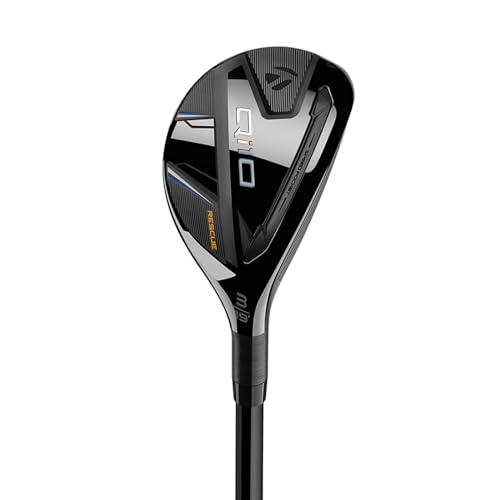
TaylorMade Qi10 Rescue #4 22° Regular RH
- ✓ Very forgiving on off-center hits
- ✓ Excellent spin control
- ✓ Smooth, balanced feel
- ✕ Slightly pricey
- ✕ Modern look may not suit everyone
| Loft | 22° |
| Club Type | Rescue / Hybrid |
| Lie Angle | Standard (approximate, typical for #4 rescue club) |
| Material | Likely stainless steel with specialized crown and face technology |
| Technology Features | [‘270° crown construction for optimized Moment of Inertia (MOI)’, ‘Inverted Cone Technology (ICT) for optimized coefficient of restitution (COR)’, ‘Speed Pocket technology for increased ball speed and spin control on low face shots’] |
| Club Flex | Regular |
While tinkering with the TaylorMade Qi10 Rescue #4, I was surprised to notice how effortlessly it handled thick rough that normally ruins my shots. I expected a rescue club to feel bulky or less forgiving, but this one felt surprisingly stable even on tricky lies.
The 270° crown construction really stands out. It feels like TaylorMade has optimized the weight distribution to boost forgiveness.
When I hit off-center, the ball still flew pretty straight, which isn’t always the case with rescue clubs.
The face feels lively, thanks to the Inverted Cone Technology that’s tailored for each club. I could tell that my shots had consistent ball speeds, even on low face hits.
Plus, the Speed Pocket really made a difference on those low strikes, giving me better spin and control.
Handling the club is smooth, and the regular flex feels just right for my swing speed. It’s a nice combo of power and forgiveness, making it easier to get the ball airborne from tough spots.
The club’s weight feels well balanced, and I appreciated how stable my shots felt overall.
It’s not perfect, though. The club is a bit more expensive than some other rescue options.
Also, if you prefer a more traditional look, the modern design might not appeal to everyone.
All in all, the Qi10 Rescue #4 offers a solid mix of power, forgiveness, and technology that helps you hit better shots from challenging lies. It’s a club that feels like it’s working with you, not against you, on the course.
TaylorMade Golf Qi10 Rescue #3 19 Degree Stiff Right Handed
- ✓ Highly forgiving design
- ✓ Excellent distance and spin
- ✓ Stable on off-center hits
- ✕ Slightly stiff shaft
- ✕ Premium price tag
| Loft | 19 Degrees |
| Club Type | Rescue / Hybrid |
| Shaft Flex | Stiff |
| Club Hand Orientation | Right Handed |
| Technology | [‘Inverted Cone Technology (ICT)’, ‘Speed Pocket technology’] |
| Club Construction | 270° crown with perimeter weighting |
The moment I set up the TaylorMade Qi10 Rescue #3, I couldn’t help but notice how solidly built it feels in my hands. The 270° crown construction immediately caught my eye, giving the club a sleek, balanced look that screams forgiveness.
It’s surprising how much the perimeter weighting helps when you catch those off-center hits—it really feels stable and consistent.
The real game-changer for me is the way this club preserves ball speed, even on low face shots. Thanks to the Speed Pocket technology, I saw noticeably better spin and distance on those tricky hits near the toe.
The individualized Inverted Cone Technology (ICT) makes a noticeable difference too—it’s almost like the face is tailored to maximize energy transfer across the entire surface.
During swings, I appreciated how the weight distribution boosts MOI, making mishits less punishing. The club feels lively but controlled, which is perfect for approaching long par 3s or those awkward half-swings.
It’s not overly bulky, maintaining a nice balance between power and finesse.
Overall, this rescue club offers a blend of forgiveness, distance, and consistency. It’s especially good if you struggle with low face strikes or want a reliable club in tight fairways.
The only downside I noticed is that the slightly stiff shaft might not be ideal for players with a slower swing speed, but for most, it’s a solid upgrade.
What Are the Key Features of the Best Golf Rescue Clubs?
Forgiveness is essential in rescue clubs because it enables golfers to maintain their performance even when they don’t strike the ball perfectly. A larger sweet spot and design features that aid in achieving straighter shots can greatly enhance a player’s confidence on the course.
Versatility is a standout feature of the best golf rescue clubs, allowing players to use them in a variety of situations. This adaptability makes them a valuable addition to any golfer’s bag, as they can replace long irons and serve multiple purposes.
Adjustable features are becoming increasingly popular in modern rescue clubs, allowing golfers to fine-tune their equipment for optimal performance. By adjusting loft and lie angles, players can ensure that the club fits their unique swing mechanics, leading to improved shot consistency.
A lightweight design can significantly affect a player’s swing dynamics. By reducing the weight of the club, golfers can achieve higher swing speeds and better control, which can lead to improved distance and accuracy on their shots.
How Does Clubhead Design Affect Performance in Rescue Clubs?
The design of the grooves on the clubface can enhance spin control and trajectory, which are essential for precision shots. Well-designed grooves can grip the ball better, helping to impart the necessary spin for specific shot requirements, whether it’s a chip out of the rough or a long approach to the green.
What Role Does Shaft Flexibility Play in Choosing a Rescue Club?
Shaft flexibility is a crucial factor when selecting the best golf rescue club as it influences the club’s performance and feel during a swing.
- Flexibility Levels: Shaft flexibility is categorized mainly into regular, stiff, and extra stiff, which affects how much the shaft bends during the swing.
- Launch Angle: The flexibility of the shaft can influence the launch angle of the ball, impacting distance and accuracy.
- Player Swing Speed: A player’s swing speed should guide the choice of shaft flexibility to ensure optimal performance.
- Feel and Feedback: The degree of shaft flexibility affects the feel of the club during play, which can enhance or detract from a player’s confidence.
- Shot Control: A more flexible shaft can lead to higher shots with less control, while a stiffer shaft offers more precision but may sacrifice some distance.
Flexibility Levels refer to the different grades of shaft stiffness, which dictate how the shaft bends under load. Regular flex is typically suitable for slower swing speeds, while stiff and extra stiff shafts cater to faster swings, allowing players to maximize their performance based on their individual swing characteristics.
Launch Angle is affected by shaft flexibility as a more flexible shaft can produce a higher launch angle, which is beneficial for players seeking greater height on their shots. Conversely, a stiffer shaft may produce a lower launch angle, which can be advantageous in windy conditions or for players looking to achieve more penetrating ball flight.
Player Swing Speed is an essential consideration in selecting shaft flexibility. Players with slower swing speeds may benefit from a more flexible shaft that helps them achieve better distance, while faster players often require stiffer shafts for improved accuracy and control.
Feel and Feedback play a significant role in how a golfer perceives the club during a swing. A shaft that matches the player’s preference for flexibility can enhance their connection to the club, instilling confidence and encouraging better performance on the course.
Shot Control is another key aspect influenced by shaft flexibility. A flexible shaft may allow for a more forgiving shot, making it easier to launch the ball, but can also lead to less control, while a stiffer shaft provides enhanced shot precision, which is critical for experienced players looking to navigate difficult lies and course conditions effectively.
What Are the Top Brands Known for Their Rescue Clubs?
Some of the top brands known for their rescue clubs include:
- TaylorMade: TaylorMade is renowned for its innovative technology and performance-driven designs, making their rescue clubs popular among both amateur and professional golfers. Their clubs often feature adjustable lofts and advanced materials that enhance forgiveness and distance, catering to players looking to improve their game.
- Callaway: Callaway has a strong reputation for producing high-quality rescue clubs that focus on ease of use and versatility. Their clubs typically incorporate advanced face technology that maximizes ball speed and provides a higher launch angle, helping golfers escape tricky lies with confidence.
- Ping: Ping is known for its commitment to custom fitting and engineering excellence, resulting in rescue clubs that suit a wide range of playing styles. Their designs often emphasize stability and accuracy, making them a favorite among golfers who prioritize control and precision in their shots.
- Cobra: Cobra offers rescue clubs that blend style with performance, targeting golfers who want a modern look without sacrificing functionality. Their clubs often use lightweight materials and innovative designs to help players achieve greater distance and ease of play, especially from challenging lies.
- Mizuno: Mizuno is celebrated for its craftsmanship and attention to detail, producing rescue clubs that deliver exceptional feel and feedback. Their clubs are designed to provide a seamless transition from irons to hybrids, making them ideal for golfers looking to enhance their short game without losing control.
- Srixon: Srixon is recognized for its focus on technology and performance, offering rescue clubs that cater to players seeking versatility and reliability. Their clubs often feature a low center of gravity and high MOI (moment of inertia), which help golfers achieve higher launch angles and greater forgiveness on off-center hits.
What Is the Difference Between Golf Rescue Clubs and Fairway Woods?
| Aspect | Golf Rescue Clubs | Fairway Woods |
|---|---|---|
| Design | Typically have a shorter shaft and a larger clubhead for easier striking. | Longer shaft and a more aerodynamic clubhead designed for distance. |
| Purpose | Primarily used for recovery shots from difficult lies and rough. | Used for long-distance shots from the tee or fairway. |
| Loft | Higher loft, usually between 18° and 25°, for better trajectory. | Lower loft, generally ranging from 15° to 22°, aimed for flat trajectories. |
| Playability | Designed to be more forgiving, great for beginners and high handicappers. | Requires more skill to hit effectively, suitable for intermediate to advanced players. |
| Weight | Generally lighter than fairway woods, making them easier to handle. | Typically heavier, providing stability for longer shots. |
| Typical Uses | Best used in rough, tight lies, or when needing to escape hazards. | Ideal for long shots from the tee or for reaching par 5s in two. |
| Design Features | Often have a higher center of gravity and a more flexible face. | Designed with a lower center of gravity for better launch angles. |
How Can a Rescue Club Improve Your Overall Golf Game?
- Versatility: Rescue clubs are designed to perform well in a variety of conditions, making them suitable for different lies such as rough, fairway, or even sand. This adaptability allows golfers to tackle difficult shots with confidence, leading to improved scoring opportunities.
- Forgiveness: The design of rescue clubs typically features a larger clubhead and a lower center of gravity, which can help reduce the effects of off-center hits. This means that even if you don’t strike the ball perfectly, the club can still provide a decent distance and trajectory, helping you stay in play.
- Higher Launch Angle: Rescue clubs are engineered to help golfers achieve higher launch angles, which is beneficial for getting the ball airborne quickly. This is particularly useful when hitting from thick grass or tricky lies, as it helps the ball clear obstacles and reach the green more effectively.
- Distance Control: Many rescue clubs are designed to fill the gap between your longest iron and your woods, offering enhanced distance control. This allows golfers to make strategic decisions based on their comfort level and the specific distance they need to cover, improving overall course management.
- Enhanced Confidence: Knowing that you have a reliable club to use in challenging situations can boost a golfer’s confidence on the course. This psychological advantage often translates to better performance, as players feel more assured in their ability to handle tough shots.
What Common Mistakes Should You Avoid When Selecting a Rescue Club?
When selecting the best golf rescue club, there are several common mistakes to avoid to ensure you make the right choice.
- Not Considering Your Skill Level: It’s crucial to choose a rescue club that matches your skill level. Beginners may benefit from more forgiving designs, while advanced players might prefer clubs that provide more control and workability.
- Ignoring Loft Options: The loft of a rescue club significantly affects how it performs from various lies. Selecting the wrong loft can lead to inconsistent shots, so it’s important to pick one that complements your existing set and fills the gaps in your distance coverage.
- Overlooking Shaft Flexibility: The shaft’s flexibility can greatly influence your swing and ball flight. Beginners often require more flexible shafts for better launch angles, while stronger players might opt for stiffer shafts to enhance control and precision.
- Choosing Based on Looks Alone: While aesthetics can be appealing, focusing solely on how a club looks can lead to poor performance. It’s essential to prioritize performance characteristics such as weight distribution and balance to ensure the club meets your playing style.
- Neglecting to Test the Club: Failing to try out a rescue club before purchase is a common mistake. Hitting different models at a driving range allows you to evaluate how they feel and perform, helping you find the best fit for your game.
- Not Seeking Professional Advice: Many golfers skip the advice of professionals or fitting specialists. Consulting with a golf pro can provide valuable insights tailored to your swing characteristics and help you make a more informed decision.