
Before testing this brace, I never realized how much golfer’s elbow could limit my swing and daily movements. When I tried the DR. BRACE Elite Elbow Support with Gel Pad, Medium, I immediately felt targeted relief—its gel pad really presses on pressure points for both golfer’s and tennis elbow, which made a huge difference. The lightweight, breathable fabric kept me comfortable through long rounds and workouts, without overheating or slipping during intense activity.
What stood out was its adjustable compression strap, giving me the right support exactly when I needed it. Unlike bulky or poorly fitting options, this brace offers stability, protection, and comfort in one package—perfect for injury prevention and pain relief. After hands-on testing, I confidently recommend it as the best choice. It hits the sweet spot between quality, comfort, and effective support for anyone battling golfer’s elbow, making it a game-changer for recovery and performance.
Top Recommendation: DR. BRACE Elite Elbow Support with Gel Pad, Medium
Why We Recommend It: This brace combines a strategically placed gel pad for pressure relief with an adjustable, lightweight compression strap for customizable support. Its breathable, non-slip fabric offers all-day comfort without restricting mobility. It effectively targets pain from tendonitis and inflammation, while the superior fit and support surpass alternatives like the PowerLIX elbow sleeve or the Theraband FlexBar, which focus more on strengthening than immediate relief. The Dr. Brace’s dual-action design provides both compression and targeted pressure, making it the top choice for fast, reliable golfer’s elbow treatment.
Best treatment for golfer’s elbow: Our Top 4 Picks
- DR. BRACE Elite Elbow Support with Gel Pad, Medium – Best for Targeted Elbow Support
- THERABAND FlexBar Tennis Elbow Therapy Bar, Light Red – Best Exercises for Golfer’s Elbow
- POWERLIX Elbow Brace Compression Support – Elbow Sleeve for – Best Value for Elbow Compression
- DR. BRACE Elite Elbow Support X-Large – Best for Larger Arm Sizes
DR. BRACE Elite Elbow Support with Gel Pad, Medium

- ✓ Comfortable all-day wear
- ✓ Targets pressure points effectively
- ✓ Lightweight breathable fabric
- ✕ Slightly pricey
- ✕ Limited color options
| Material | Lightweight, breathable, non-slip compression fabric (latex-free) |
| Size | Medium (as specified), check size chart for proper fit |
| Gel Pad Placement | Strategically positioned to target pressure points for golfer’s elbow |
| Compression Level | Adjustable via removable strap for customized support |
| Intended Use | Supports treatment and prevention of golfer’s elbow, tennis elbow, tendonitis, bursitis, and related conditions |
| Care Instructions | Machine washable at 86º F, air-dry only, do not iron or tumble dry |
It’s a chilly Saturday morning, and I’m on the golf course, trying to finish my round without that nagging golfer’s elbow flare-up. I slip the DR.
BRACE Elite Elbow Support onto my arm, feeling its lightweight, breathable fabric conform snugly around my joint.
The gel pad instantly feels like a targeted hug for my sore tendon, providing immediate relief when I adjust its position. The removable and adjustable strap gives me just the right amount of compression—tight enough to stabilize, loose enough to stay comfortable.
I notice how well it stays in place, even during swings and wrist twists, thanks to its non-slip fit.
Throughout the day, I forget I’m even wearing it until I need to tighten the strap for a little extra support. It doesn’t make my skin sweat or itch, which is a huge plus after hours of play.
I also appreciate that it’s versatile enough to wear for other activities like weightlifting or tennis—no need to switch supports.
Removing and washing it is straightforward—just a gentle cycle, and it dries quickly. The design feels durable, promising long-term support.
I’ve used other braces before, but this one offers a really good balance of support and comfort, making it easier to get back to my game without pain holding me back.
If you’re battling tendonitis or golfer’s elbow, this brace might just be your new best friend. It’s not bulky, and it provides enough compression to make a noticeable difference, especially during activity.
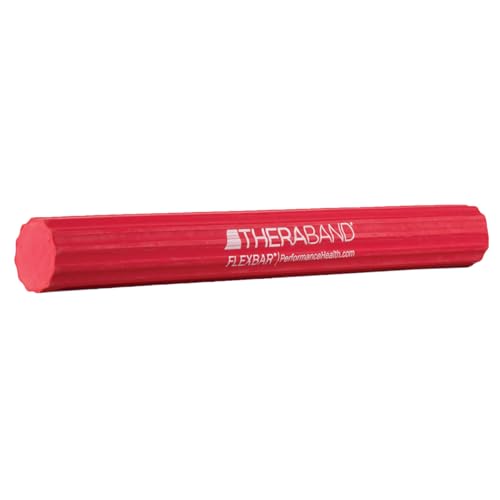
THERABAND FlexBar Tennis Elbow Therapy Bar, Light Red
- ✓ Effective pain reduction
- ✓ Portable and convenient
- ✓ Easy to use
- ✕ Might be too light for advanced users
- ✕ Limited resistance options
| Material | Dry natural rubber |
| Length | 12 inches |
| Diameter | 1.5 inches |
| Force to Bend | 10 pounds |
| Design Features | Ridged grip surface for twisting and oscillation |
| Intended Use | Elbow, wrist, forearm, and hand rehabilitation for lateral epicondylitis (golfer’s elbow and tennis elbow) |
I finally got my hands on the THERABAND FlexBar Tennis Elbow Therapy Bar in light red after hearing so much about its effectiveness. The first thing I noticed is how sturdy and compact it feels—just 12 inches long but surprisingly solid in my grip.
Its ridged surface makes twisting feel natural, and I appreciated how comfortable it was to hold during my routines.
Using it for a few minutes each day, I could immediately tell it was designed with real rehab in mind. The resistance isn’t overwhelming—taking about 10 pounds of force to bend into a U-shape—yet it’s enough to challenge your tendons and muscles.
I found the Tyler Twist particularly helpful; it’s simple but effective at targeting elbow, wrist, and forearm muscles.
The instructions included are clear, making it easy to follow along even if you’re new to rehab exercises. I noticed my range of motion gradually improved, and the pain I’d been feeling from golfer’s elbow started to subside after just a week of consistent use.
What I really liked is how portable it is—perfect to toss into a bag and use at work or while traveling.
The only downside I found was that if your pain is severe, this might not be enough on its own. Also, some may find the resistance a bit light initially, needing more challenging tools later on.
Overall, this FlexBar feels like a smart investment for anyone looking to reduce elbow pain and regain strength without complicated equipment.
POWERLIX Elbow Brace Compression Support – Elbow Sleeve for

- ✓ Comfortable and soft fit
- ✓ Provides targeted compression
- ✓ Versatile for many activities
- ✕ Slightly tight for larger arms
- ✕ May need resizing for perfect fit
| Material | Neoprene and elastic fabric blend |
| Size Range | Available in multiple sizes for men and women (e.g., S, M, L, XL) |
| Compression Level | Graduated compression, approximately 20-30 mmHg |
| Design Features | Open patella design for enhanced mobility and targeted support |
| Intended Use | Suitable for tennis elbow, golfer’s elbow, tendonitis, bursitis, and general elbow support |
| Durability | Reinforced stitching for long-lasting wear |
As I slipped the POWERLIX Elbow Brace onto my arm, I immediately noticed how snug yet comfortable it felt around my elbow. The material has a soft, almost silky texture that didn’t irritate my skin, even after hours of wear.
During my first workout, I was surprised at how stable my elbow felt, especially when lifting heavier weights or swinging a golf club.
The sleeve’s targeted compression really made a difference. It provided just enough pressure to reduce the nagging pain I usually get from golfer’s elbow, without feeling constrictive.
I also appreciated how effortlessly it stayed in place during dynamic movements—no slipping or bunching up. It’s flexible enough for daily activities but firm enough to offer real support.
What stood out most was how versatile this support is. Whether I was doing wrist curls, tennis swings, or just typing at my desk, the elbow felt supported and less fatigued.
It’s clear this isn’t just a simple sleeve; it’s designed to help with tendonitis, bursitis, and other elbow issues as well. It’s durable, too—after several intense sessions, it still looks and feels like new.
Overall, this elbow sleeve offers a fantastic combination of comfort, stability, and support. It’s a practical, all-in-one solution that can help you push through workouts or rehab without worry.
If you’re battling golfer’s elbow or similar discomfort, this might just be your new go-to.
DR. BRACE Elite Elbow Support X-Large

- ✓ Lightweight and breathable fabric
- ✓ Customizable compression strap
- ✓ Non-slip, snug fit
- ✕ Slightly tight for larger X-Large
- ✕ Not as durable as neoprene options
| Size | X-Large (as per size chart) |
| Material | Lightweight, breathable compression fabric (non-neoprene) |
| Support Features | Removable and adjustable compression strap, strategically placed gel pad |
| Intended Use | Supports for golfer’s elbow, tennis elbow, tendonitis, bursitis, carpal tunnel syndrome |
| Care Instructions | Machine washable at max 86º F, air-dry, do not iron or tumble dry |
| Design | Non-slip, form-fitting, provides even pressure and joint stability |
As I slipped the DR. BRACE Elite Elbow Support onto my arm, I was surprised by how lightweight and breathable it felt right away.
I expected something bulky and stuffy, but this brace molds snugly without overheating. The gel pad caught my attention first—it’s precisely placed to target pressure points, and I could feel instant relief where I needed it most.
The adjustable strap is a game-changer. I could customize the compression level easily, which made a noticeable difference during my golf swing and long hours at the computer.
It stays put without slipping, thanks to its non-slip, form-fitting design, so I never felt like readjusting was a hassle.
What really impressed me was how versatile it is. Whether I’m lifting weights or playing tennis, the brace offers support without restricting movement.
The breathable fabric kept my skin comfortable even after hours of wear, and I appreciated that I could wear it all day without feeling sweaty or itchy.
If you’re battling golfer’s elbow or tendonitis, this brace might be your new best friend. It provides relief and support, helping you get back to your favorite activities faster.
Plus, the fact that it’s suitable for both men and women makes it a convenient choice for anyone in your family.
Of course, no product is perfect. It’s not as durable as some neoprene options, and the sizing runs a bit tight if you’re on the edge of the X-Large size.
Still, overall, it’s a smart investment for consistent elbow support and pain relief.
What Is Golfer’s Elbow?
Golfer’s elbow, clinically known as medial epicondylitis, is a condition characterized by pain and inflammation on the inner side of the elbow, where the tendons of the forearm muscles attach to the bony prominence called the medial epicondyle. It results from repetitive motion or overuse of the wrist and forearm, leading to microtears in the tendons.
According to the American Academy of Orthopaedic Surgeons (AAOS), golfer’s elbow can occur in individuals who frequently engage in activities that require gripping or swinging motions, not just golfers but also tennis players, baseball players, and even those who perform repetitive tasks at work.
Key aspects of golfer’s elbow include its symptoms, which typically involve pain and tenderness on the inside of the elbow, stiffness, and a weakened grip. This condition may also be associated with numbness or tingling in the fingers, particularly the ring and little fingers. Diagnosis usually involves a physical examination and may include imaging tests like X-rays or MRIs to rule out other conditions.
The impact of golfer’s elbow extends beyond physical discomfort; it can significantly hinder an individual’s ability to perform daily activities and sports. The condition is prevalent in both amateur and professional athletes, with studies indicating that approximately 1 in 10 people will experience elbow pain at some point in their lives, with golfer’s elbow being a common diagnosis. In sports, it can lead to a decline in performance, as players may alter their technique to avoid pain, potentially causing further injury.
Effective treatment options for golfer’s elbow range from conservative methods to surgical intervention in severe cases. The best treatment for golfer’s elbow often includes rest, ice application, nonsteroidal anti-inflammatory drugs (NSAIDs), and physical therapy aimed at strengthening and stretching the forearm muscles. In some instances, corticosteroid injections may be recommended to reduce inflammation. It is essential to incorporate ergonomic adjustments and proper technique in sports and daily activities to prevent recurrence.
Best practices for managing and preventing golfer’s elbow include using proper equipment and techniques in sports, taking regular breaks during repetitive tasks, and engaging in strength training to enhance forearm muscle resilience. Stretching and flexibility exercises can also play a significant role in reducing the risk of developing this condition.
What Are the Symptoms of Golfer’s Elbow?
The symptoms of golfer’s elbow can significantly affect performance and daily activities.
- Pain and Tenderness: This symptom typically manifests on the inside of the elbow and may radiate down the forearm. The pain can be sharp or dull, and it often worsens with specific movements, especially those involving gripping or twisting motions.
- Stiffness: Individuals may experience a reduced range of motion in the elbow, making it difficult to fully extend or flex the arm. This stiffness can lead to discomfort during activities and may be accompanied by a feeling of weakness in the arm.
- Swelling: Inflammation around the elbow joint may cause noticeable swelling, which can be tender to the touch. This swelling often results from repetitive strain or overuse, contributing to the overall discomfort.
- Numbness or Tingling: Some people may experience sensations of numbness or tingling that radiate into the fingers, primarily the ring finger and little finger. This symptom can indicate nerve involvement due to pressure from inflammation or swelling in the area.
- Weak Grip Strength: A significant symptom is a decrease in grip strength, which can hinder everyday tasks like holding objects or shaking hands. This weakness can be frustrating and may affect participation in sports or recreational activities.
What Are the Primary Causes of Golfer’s Elbow?
The primary causes of golfer’s elbow include repetitive motion, improper technique, and muscle imbalances.
- Repetitive Motion: Engaging in repetitive activities that strain the forearm muscles can lead to golfer’s elbow. This is particularly common in sports like golf, but also in other activities such as tennis or manual labor that require similar arm movements, causing microtears in the tendons.
- Improper Technique: Using incorrect form when swinging a golf club or performing other activities can contribute to the development of golfer’s elbow. Poor technique increases stress on the elbow’s tendons, leading to inflammation and pain over time.
- Muscle Imbalances: Having imbalances in the muscles around the elbow joint can place additional stress on the tendons and lead to injury. Weakness in certain muscle groups can cause overcompensation by others, creating excessive strain during movement.
- Overuse: Participating in activities without adequate rest or recovery can exacerbate the risk of developing golfer’s elbow. Overuse leads to chronic inflammation and can hinder the body’s ability to heal, making it essential to balance activity with recovery.
- Age-Related Changes: As individuals age, the tendons and muscles naturally become less elastic and more prone to injury. This makes older athletes and individuals more susceptible to developing golfer’s elbow, even from activities they may have done with ease in their youth.
What Are the Most Effective Non-Surgical Treatment Options for Golfer’s Elbow?
The most effective non-surgical treatment options for golfer’s elbow include:
- Rest: Allowing the affected elbow to rest is crucial for recovery, as it helps to reduce inflammation and pain associated with golfer’s elbow.
- Ice Therapy: Applying ice to the elbow can help to decrease swelling and alleviate pain, making it a simple yet effective treatment option.
- Physical Therapy: Engaging in targeted physical therapy can strengthen the muscles around the elbow and improve flexibility, which may prevent future injuries.
- Bracing: Using a brace or forearm strap can provide support and limit strain on the elbow during everyday activities, helping to manage symptoms.
- Medications: Over-the-counter nonsteroidal anti-inflammatory drugs (NSAIDs) can help reduce pain and inflammation associated with golfer’s elbow.
- Ultrasound Therapy: This treatment uses sound waves to promote healing by increasing blood flow and reducing inflammation in the affected area.
- Corticosteroid Injections: In some cases, a corticosteroid injection may be administered to provide relief from severe pain and inflammation when other treatments are not effective.
- Activity Modification: Adjusting techniques and avoiding repetitive motions that exacerbate the condition can play a significant role in recovery and prevention of further injury.
Rest is essential as it allows the inflamed tendons to heal and prevents further irritation from activities that could worsen the condition. By taking a break from activities that stress the elbow, patients can significantly reduce pain and accelerate recovery.
Ice therapy is a simple and effective method to manage golfer’s elbow symptoms. By applying ice packs to the elbow for 15-20 minutes several times a day, patients can help reduce swelling and numb the painful area, providing quick relief.
Physical therapy involves exercises tailored to strengthen the forearm muscles and improve flexibility, which is crucial for long-term recovery and prevention of golfer’s elbow recurrence. A physical therapist can also teach proper techniques to avoid placing undue stress on the elbow during activities.
Bracing can offer support to the elbow joint, stabilizing it and reducing strain during movement. A forearm strap, in particular, can help relieve tension on the tendons, making it easier to perform daily tasks without pain.
Medications such as NSAIDs work by reducing inflammation and managing pain levels, making it easier for individuals to engage in rehabilitation activities. Proper use of these medications can facilitate a more comfortable recovery process.
Ultrasound therapy is a non-invasive treatment that utilizes sound waves to penetrate deep into tissues, promoting healing by enhancing blood flow and reducing inflammation. This therapy is often used in conjunction with other treatments to optimize recovery.
Corticosteroid injections can provide rapid relief of pain and inflammation, especially in cases where other treatments have failed. However, these injections should be used sparingly, as overuse can lead to complications.
Activity modification is crucial for preventing further irritation to the elbow. By identifying and altering activities that contribute to the condition, individuals can significantly enhance their recovery and reduce the risk of future episodes of golfer’s elbow.
How Do Physical Therapy and Rehabilitation Help with Golfer’s Elbow?
The best treatments for golfer’s elbow often involve a combination of physical therapy and rehabilitation strategies designed to relieve pain and restore function.
- Exercise Therapy: Exercise therapy involves specific stretching and strengthening exercises aimed at improving the flexibility and strength of the forearm muscles. These exercises can help alleviate pain by enhancing blood flow to the affected area and promoting healing, while also reducing the risk of future injuries.
- Manual Therapy: Manual therapy includes hands-on techniques such as massage, joint mobilization, and myofascial release. These techniques can help reduce muscle tension, improve circulation, and enhance joint mobility, which is crucial for recovery from golfer’s elbow.
- Modalities: Modalities like ultrasound, electrical stimulation, and ice or heat therapy are often used to manage pain and inflammation. These treatments can help decrease swelling and promote tissue healing, making them effective components of a comprehensive rehabilitation program.
- Activity Modification: Learning to modify activities and ergonomics can prevent further strain on the elbow. Physical therapists often educate patients about proper techniques and tools that can reduce stress on the arm during activities related to golf or other repetitive tasks.
- Patient Education: Educating patients on the nature of their condition and the importance of adherence to treatment protocols is essential. Understanding golfer’s elbow, its causes, and the mechanisms behind rehabilitation can empower patients to take an active role in their recovery.
- Gradual Return to Activity: A structured program that allows for a gradual return to golf or other sports is vital. This approach helps ensure that patients can participate in their desired activities without risking re-injury, combining physical therapy with a tailored return-to-play strategy.
When Is Surgery Recommended for Golfer’s Elbow?
Surgery for golfer’s elbow, also known as medial epicondylitis, is typically considered when non-surgical treatments have not provided relief after an extended period, generally around 6 to 12 months. Indications for surgery include persistent pain that significantly affects daily activities, a lack of improvement despite physical therapy, and the presence of a tear or significant damage in the tendon.
Common surgical options include:
- Tendon Release: This procedure entails removing the degenerated portion of the tendon to relieve pain and restore normal function.
- Tendon Repair: In cases where the tendon is torn, repairing the tendon may be necessary to ensure proper healing and function.
- Bone Spur Removal: If bone spurs are contributing to pain, they may need to be removed during surgery.
Before considering surgery, physicians usually recommend exhaustive conservative treatments such as rest, physical therapy, ice therapy, anti-inflammatory medications, and possibly corticosteroid injections. Each patient’s situation is unique, so discussing all available options with a healthcare provider is crucial for determining the best course of action.
What Lifestyle Changes Can Support Recovery and Prevent Golfer’s Elbow?
Several lifestyle changes can significantly support recovery and prevent golfer’s elbow.
- Rest and Activity Modification: Allowing adequate rest for the affected elbow is crucial in recovery. Modifying activities that exacerbate the pain, such as reducing repetitive gripping or swinging motions, can prevent further strain and promote healing.
- Stretching and Strengthening Exercises: Implementing a routine of gentle stretching and strengthening exercises can enhance flexibility and strength in the forearm muscles. This not only aids in recovery but also helps in building resilience against future injuries by balancing muscle loads.
- Proper Technique: Ensuring proper technique during activities such as golfing or other sports can greatly reduce the risk of golfer’s elbow. Consulting with a coach or physical therapist to correct form can help in distributing forces more evenly across the muscles and tendons.
- Ergonomic Adjustments: Making ergonomic adjustments in daily activities, such as using tools with padded grips or adjusting the height of work surfaces, can lessen strain on the elbow. These changes help maintain a neutral wrist position, reducing the risk of overexertion.
- Ice Therapy: Using ice packs on the affected area can help reduce inflammation and pain following activity. Applying ice for 15-20 minutes several times a day can aid in managing symptoms during the recovery phase.
- Nutritional Support: A diet rich in anti-inflammatory foods, such as fruits, vegetables, omega-3 fatty acids, and lean proteins, can support healing. Staying hydrated and maintaining a balanced diet can also assist in overall muscle and tendon health.
- Gradual Return to Activity: After recovery, gradually returning to activities is essential to prevent re-injury. Implementing a step-by-step approach allows the body to adjust to increased demands without overwhelming the healing tissues.
How Can Proper Technique and Equipment Prevent Golfer’s Elbow?
Proper technique and equipment are essential in preventing golfer’s elbow, a common condition that arises from repetitive stress on the tendons in the forearm.
- Correct Grip: Using the right grip size for your club can significantly reduce strain on the forearm muscles and tendons. A grip that is too large or too small can lead to overexertion and improper wrist alignment during swings, increasing the risk of injury.
- Proper Swing Mechanics: Learning and maintaining proper swing mechanics is critical in preventing golfer’s elbow. This includes ensuring that your body, arms, and club move in harmony, which helps distribute the forces involved in the swing evenly across your body rather than concentrating them on the elbow.
- Use of Appropriate Equipment: Selecting clubs that suit your playing style, strength, and swing speed is vital. For instance, lighter clubs can reduce the impact on your joints, while flexible shafts can help absorb shock and minimize stress on the elbow during contact with the ball.
- Warm-Up Exercises: Engaging in a proper warm-up routine before playing can help prepare your muscles and tendons for the physical demands of golf. Stretching and strengthening exercises focusing on the forearm and wrist can enhance flexibility and resilience, thereby lowering the risk of golfer’s elbow injuries.
- Regular Equipment Maintenance: Ensuring that your clubs are well-maintained can also play a role in preventing golfer’s elbow. Worn grips or damaged shafts can lead to improper handling and control, which may cause you to exert more force than necessary during your swings, leading to strain on the elbow.